
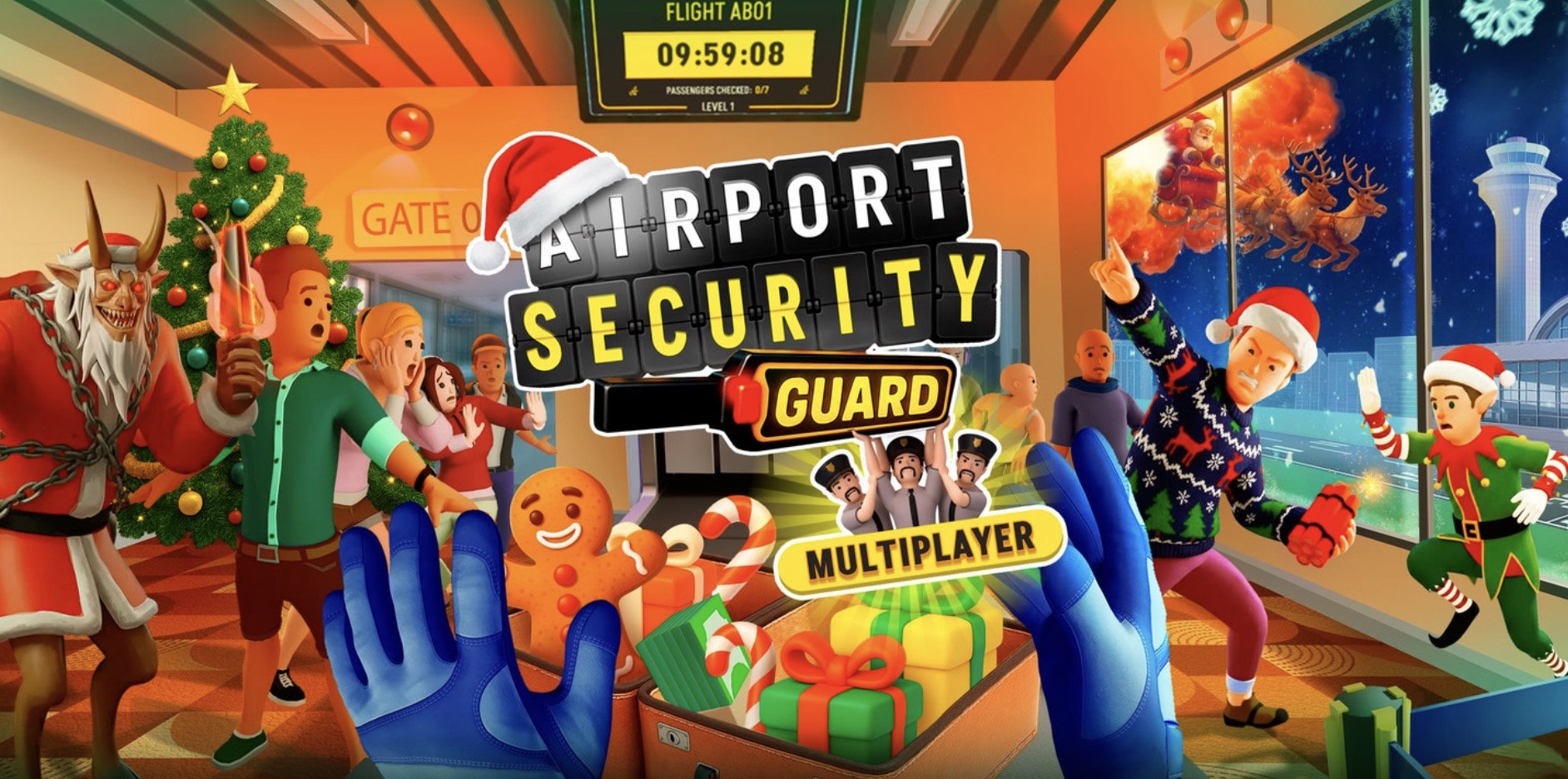
Your Quest library is overflowing. PSVR 2’s Black Friday sale runs through December 19th, tempting you with shiny new titles. Horizon+ keeps dropping premium games like Tactical Assault VR. Yet, the game I’ve played the most this month cost me nothing. It’s called Airport Security Guard. Forget epic fantasies or rhythmic challenges. This free download offers something rarer: pure, unscripted laughter born from controlled chaos. You are the chaos.
Your official job is to scan passports and luggage. (It’s a glorified beep-and-check). Your real job-the one the game silently endorses-is to sabotage everything and everyone. While a colleague diligently inspects a briefcase, you’ll flick the switch on their conveyor belt. The suitcase flies. Their virtual head spins. You pretend to look for a pen. It’s glorious.
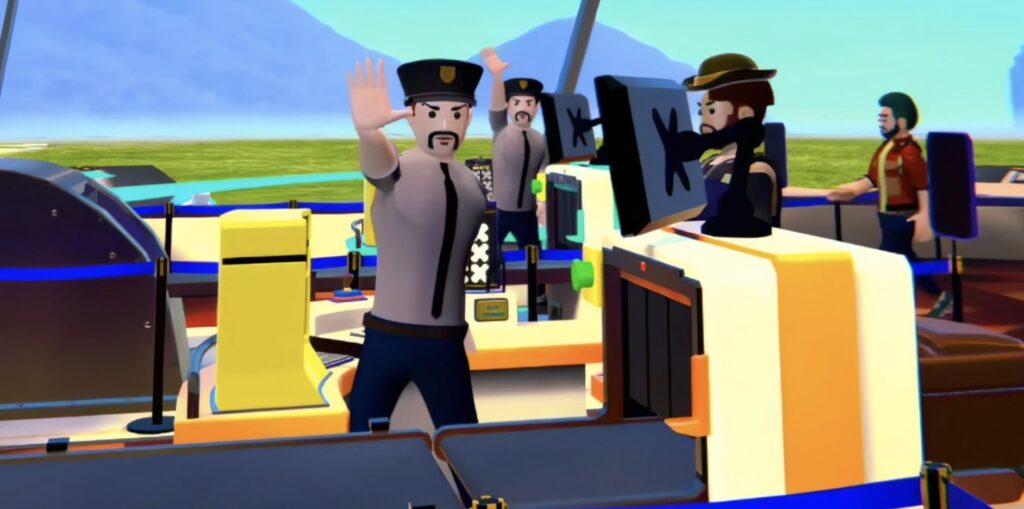
This isn’t just another freebie lost in the holiday rush. It’s a masterclass in VR’s unique ability to turn the mundane into mayhem. The physicality sells the joke: you don’t press a button to cause trouble. You lean, you reach, you fumble with the scanner-you feel complicit. That’s the hook.
The Best VR Game This Holiday Isn’t the One You’re Paying For
So why does this matter now? Because when every headline screams about big-budget updates and franchise crossovers, a tiny, brilliant game like this gets overlooked. It’s a risk-free gateway into VR’s social, silly side-a perfect palate cleanser after you’ve spent too much on ‘serious’ games.
Use it as a social icebreaker. The chaotic mechanics forge instant, laughing alliances (and betrayals). I’ve watched a friend, completely new to VR, forget his hesitation within two minutes because he was too busy redirecting a ‘suspicious’ passenger toward my station.
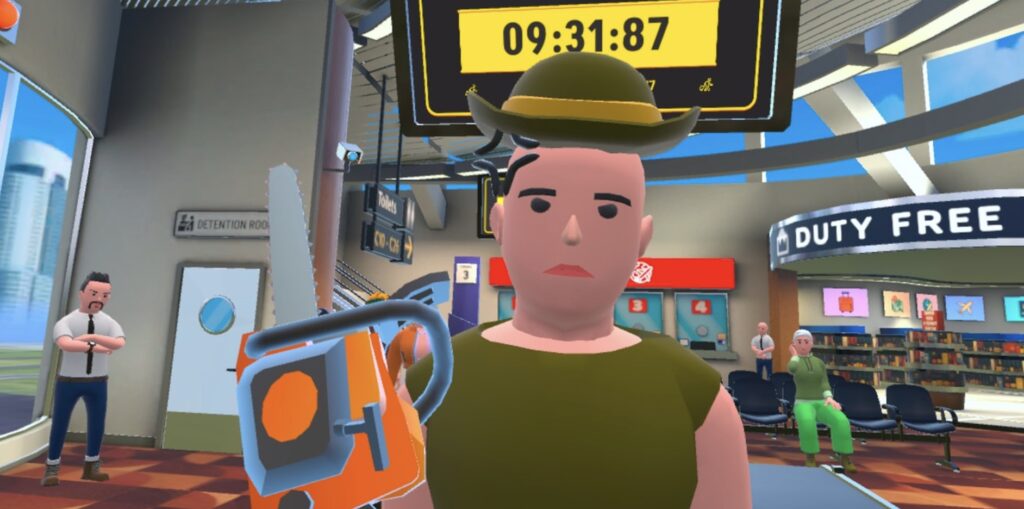
Warning: the game’s physics-based chaos can be so absorbing that players often forget their surroundings. I’ve seen more than one friend nearly trip over their own coffee table while lunging to ‘subtly’ adjust a conveyor belt.
Airport Security Guard proves a point: innovation isn’t always about polygons or epic scores. Sometimes, it’s about turning a boring queue into a playground. Before you splurge on the next big thing, ask yourself-when was the last time a game made you laugh so hard you forgot you were standing in your living room?
The Chaos Engine: Simple Tools, Unpredictable Results
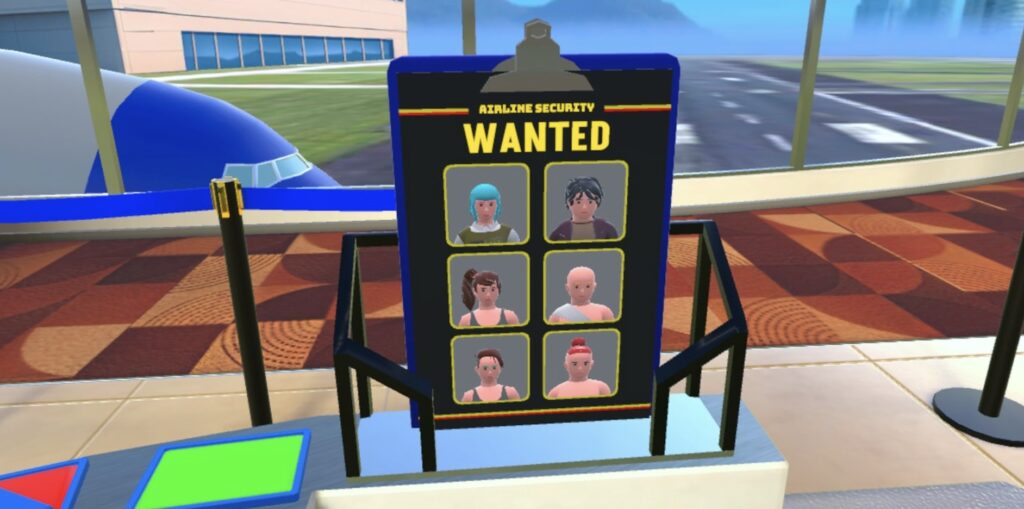
You’re handed a virtual scanner. It makes a buzzing hum, light and weightless in your grip. Your job? Check IDs. Inspect luggage. The real game, though, starts when you throw the rulebook out the terminal window. The core mechanic isn’t scanning-it’s sabotage. Toggle your partner’s conveyor belt and watch a suitcase rocket toward their face. Misdirect a passenger holding ‘suspicious liquids’ and let your colleague deal with the fallout. The VR interface sells the joke: you physically lean, point, and fumble. Your own clumsy body becomes part of the slapstick.
This stands in stark relief to December’s premium VR landscape. Tactical Assault VR and Smash Drums are this month’s Horizon+ picks-locked behind a subscription. Final Fury just dropped its ‘Tides of Vygor’ update, packed with ranked modes for the competitive grinders. Meanwhile, PSVR 2 bundles are priced at $300 until December 19th. In this world of fees and sales, Airport Security Guard’s ‘free’ tag isn’t just generous. It’s a statement. Why drop cash on a serious shooter when you can, for absolutely nothing, make your best friend accidentally wave a rubber chicken through a metal detector?
Let’s run a session. You’re methodically scanning a line of five passengers. Your buddy, off-screen, swaps a businessman’s passport with a giant, glitching trout. The passenger objects-his pixelated face contorts. Your partner stammers, trying to scan the fish. The line behind him erupts. A hidden ‘bomb’ in a suitcase is actually a birthday cake; ‘defusing’ it showers the checkpoint in confetti. These aren’t scripted events. They’re emergent stories, born from 250+ possible item interactions and pure player mischief. The game’s genius is providing the spark, not the script.
Here’s the pro tip they don’t tell you: subtlety beats spectacle. Overt chaos gets you ‘fired’ (the game’s soft reset). But a slight misalignment of the scanner beam? A gentle nudge that sends a bag tumbling slowly off the belt? That’s the stuff of legends. The trade-off is real. Over-sabotage and you’ll paralyze the checkpoint-no one gets through, the fun flatlines. You must balance anarchy with just enough order to keep the simulation churning. Form a temporary alliance with a teammate, whisper a plan to frame a third, then betray them mid-execution. The social deduction layer elevates this from button-mashing to psychological warfare.
This social dynamic is the killer app. Solo VR adventures can feel isolating. Co-op games like Demeo X Dungeons & Dragons require careful strategy. This? This thrives on real-time, visceral betrayal. You see your friend’s avatar physically flinch when you reverse their conveyor. I watched my own teammate knock over a virtual soda can, then try to blame it on an NPC-we were wheezing with laughter, headsets steaming up. That human connection, that shared, stupid memory, is something no graphical benchmark can measure.
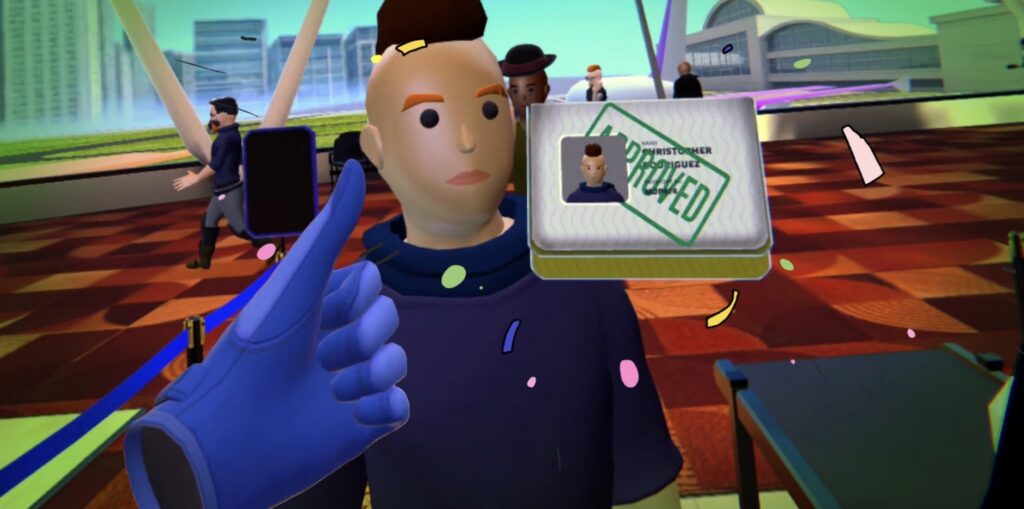
So, in a market obsessed with updates, subscriptions, and hardware sales, Airport Security Guard carves its niche with pure, accessible humor. It doesn’t need DLC or a battle pass. It leverages VR’s unique power-presence and physical comedy-to turn a mind-numbing real-world chore into a factory for inside jokes. As expensive headsets and rotating game libraries demand our attention and wallets, this title sits in the corner, free and forever funny. It’s a reminder: sometimes the most innovative thing you can do in VR is make your friends laugh until they cry.
Prioritizing Play Over Payment in VR’s Future
As PSVR 2 bundles hit $300 until December 19th and Horizon+ locks games behind subscriptions, Airport Security Guard’s free model isn’t just a novelty-it’s a critique. This game asks: what if VR’s best moments aren’t bought, but shared? While Tactical Assault VR and Smash Drums require monthly fees, and Final Fury’s update demands competitive grind, this title proves that accessibility fuels virality. Your next step? Treat it as a social litmus test; introduce skeptical friends to VR through its chaos, not a pricey headset demo.
Actionable advice: Use this game as a strategic reset. Between intense sessions of Demeo X Dungeons & Dragons or ranked events in Final Fury, drop into the airport for fifteen minutes of unscripted laughter. This isn’t mere distraction-it’s a reminder that VR’s hardware discounts (like those 75% off PSVR 2 games) mean little without software that connects people. I’ve seen groups bond over sabotaged scanners faster than over coordinated dungeon crawls; that’s the unobvious power of low-stakes, high-reward play.
The broader implication? VR development may be chasing graphics and monetization, but player retention often hinges on simplicity and humor. Airport Security Guard’s success-amid a sea of sales and updates-signals a market gap: experiences that prioritize social dynamics over solo progression. As Horizon+ rotates titles and Black Friday deals expire, this game’s persistence highlights a demand for evergreen, cost-free fun. Developers, take note: sometimes the best innovation is subtraction-removing barriers to entry.
Ultimately, your VR library shouldn’t just be a collection of purchases. It should include spaces for improvisation and joy, where the only currency is creativity. So, before you chase the next discount or subscription, ask: does this game make me laugh with others? Airport Security Guard answers with a resounding yes, offering a blueprint for VR’s future-one where fun isn’t premium, but fundamental.