
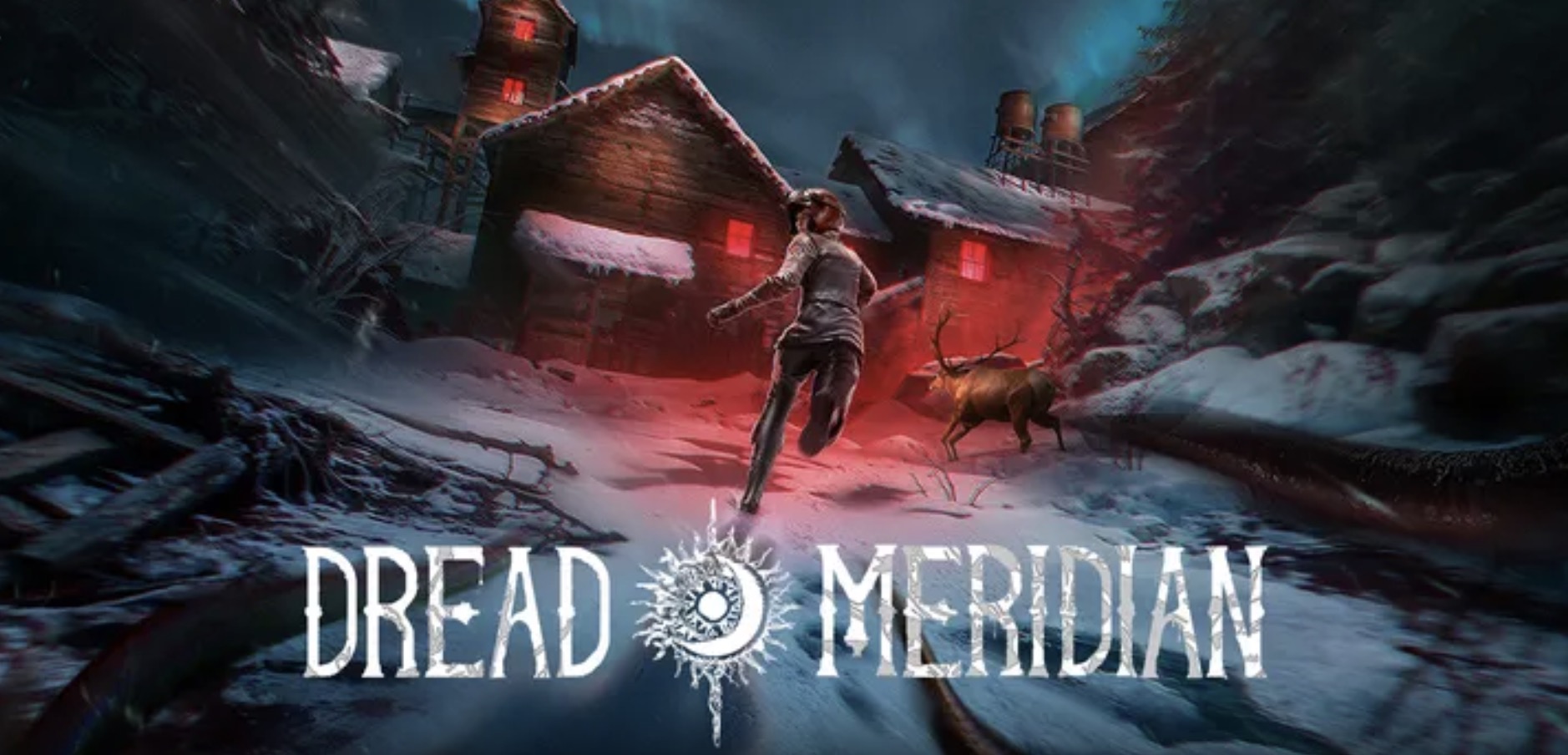
True VR horror doesn’t just scare you. It moves in. You’ll find yourself listening to the hum of your own refrigerator, your brain twisting it into the static hiss of a dying radio signal. (I did. 2 AM. Bare feet on the kitchen tile, utterly convinced the whispers from the headset had followed me out.) This is a shared psychosis now. Games like Phasmophobia taught us that terror lives in a friend’s shaky breath over comms-that’s the bedrock. Dread Meridian? It builds an ice-locked cathedral of dread right on top of it.
This is not a ghost hunt. It’s a frozen excavation of cosmic despair, where the air itself is your enemy. Imagine a wind that doesn’t howl-it screams, raw and metallic, like tearing steel. Your last flare gutters out, its light swallowed whole. In the sudden dark, shadows don’t lengthen. They coalesce. And beneath your feet, a deep, tectonic groan vibrates up through the ice, as if the continent is turning over in a frozen sleep. The atmosphere here isn’t a backdrop. It’s a slow-acting poison.
The stage for this is perfectly set. Meta’s holiday push is a siren call for new players. Look at Into the Radius 2, its price just slashed by 30% to pull rookies into hardcore survival loops. The new Quest 3S? A $250 gateway drug, bundled with experiences that once demanded a high-end PC. It’s demolishing the barrier to high-end terror. The trends whisper the same story. GORN 2 toys with ‘icy floors’ that tell tales of fallen warriors. Spatial Ops just launched a full co-op survival mode, betting big on shared struggle. The audience is primed, shivering in anticipation. Dread Meridian doesn’t join that conversation. It rewrites the entire lexicon of fear.
The Chill That Clings to Your Spine
That ‘most atmospheric’ claim isn’t marketing fluff. It’s a clinical diagnosis. The audio design is a malevolent character-a sub-bass hum woven under the wind, placing ancient, slumbering things directly into your vestibular system. Forget the cathartic crunch of a zombie skull in Saints & Sinners. Here, your metal pry bar can freeze to your gloved hand in under 90 seconds, shattering like cheap glass if you swing it wrong. The cold is a systemic, intelligent foe. Finding a shack isn’t a respite; it’s a frantic, heart-thumping victory against a universe that wants you dead.
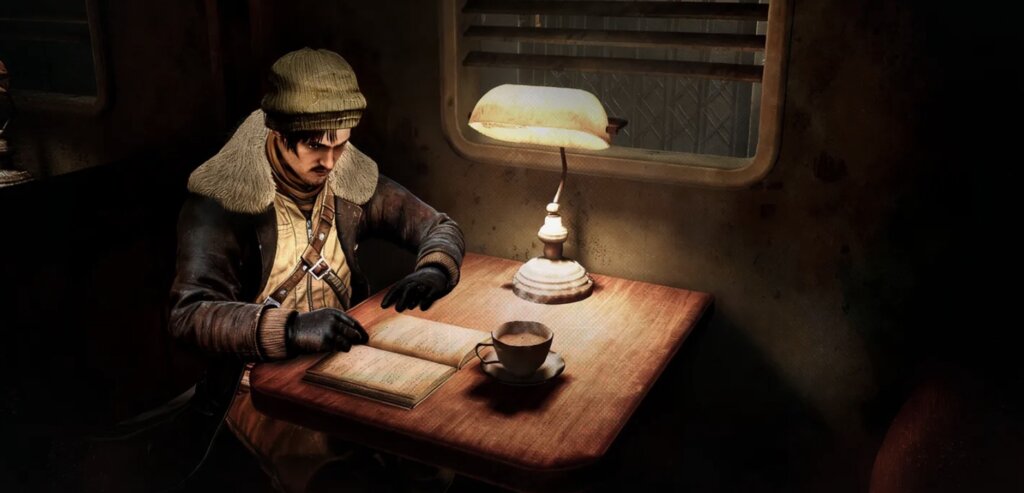
Co-op is your lifeline and your Achilles’ heel. Solving a generator puzzle with a partner creates a bond of warm relief-until a localized whiteout swallows their comms signal whole. That sudden, absolute silence is louder than any monster’s roar. You’re alone with the shriek of the wind and the crawling certainty that the blizzard isn’t empty. It’s watching. And it’s learning.
For Quest owners, this is a landmark. It proves VR horror can be intellectually oppressive and physically exhausting, a game where cooperation only deepens the profound isolation. You don’t just survive the monsters. You survive the meridian itself-the bleeding edge of reality. And what waits beyond it has been dreaming in the deep freeze, patiently, for eons.
Deconstructing the Frozen Fear
So how does Dread Meridian transform a plastic headset into a portal to annihilation? It starts by weaponizing temperature. This isn’t a visual effect or a decorative UI icon. It’s a core, predatory system. Your digital breath fogs the lens in ragged, panicked gasps. Metal tools become brittle conduits of cold-swing a frozen axe, and it might snap, leaving you clutching a useless haft. One beta tester’s story stuck with me: his flashlight died in 7 seconds flat, its lithium-ion battery drained by a -50°C wind shear that hit like a physical slap. Contrast that with the precise, weapon-centric panic of Saints & Sinners. Here, your greatest tool might be a piece of driftwood you spend two precious minutes thawing over a sputtering chemical fire.
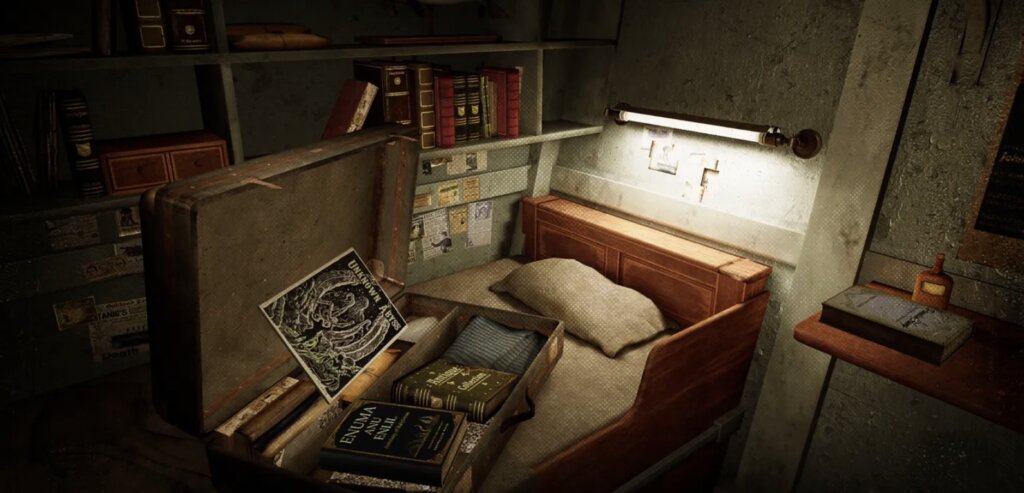
The frozen wastes are a museum of human hubris. You’ll stumble upon Research Outpost Theta, its reinforced permacrete walls bent inward, as if crushed by a giant’s fist. Strange, pulsing glyphs are etched into glacial faces, glowing with a sickly bioluminescence that gives off no heat. Solving these environmental puzzles demands perfect, silent co-op synergy. One player anchors a portable winch to stabilize a groaning ice bridge; the other deciphers spectral runes projected into the freezing air. It echoes the communication-heavy design of Phasmophobia, but with a cruel, cosmic twist: each solution peels back a layer, revealing a deeper, more incomprehensible truth. Progress doesn’t feel like advancement. It feels like a controlled, deliberate fall into the abyss.
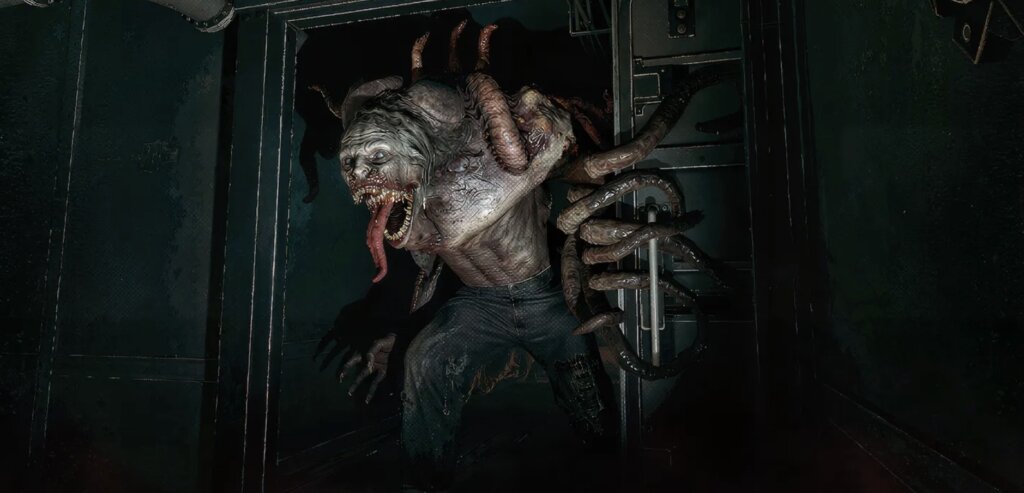
Forget zombies. The entities here defy basic physics and sear themselves into your memory. I watched a creature-a shifting mass of black chitin and hoarfrost-phase through a solid ice wall like it was passing through mist. Combat is a fool’s errand. Engagement is a desperate study in alien pattern recognition. The ‘Shardling’ recoils from ultraviolet light, shrieking like a cathedral window shattering. The ‘Echo-Beast’ exists only in your peripheral vision; stare directly at its shimmering form, and it winks out of existence. This creates a frantic ‘study-or-flee’ dynamic light-years from the arena brawler hazards of GORN 2’s winter update. You don’t fight for dominance. You scramble for another sixty seconds of life.
Co-op is a beautifully crafted trap, a bond the game delights in severing. You need your partner to activate the twin consoles of a massive, ancient airlock. Perfect. Then a timed blizzard rolls in-a wall of white that cuts visibility to your own trembling, glove-clad hands. Your friend’s voice dissolves into granular static, then silence. You’re alone, fumbling with alien glyphs as the temperature plummets and your suit’s integrity alarm begins a steady, panicked beep. This mirrors the communication-breakdown chaos of co-op horror, but Dread Meridian makes the environment the active saboteur. That severed comms line isn’t a glitch-it’s the game teaching you the utter fragility of human connection against the hungry void.
Sanity isn’t a meter; it’s a slow, insidious leak. After eight minutes near a spatial ‘anomaly,’ visual static flickers at the edges of your sight like decaying film. You’ll hear your partner scream for help from a corridor they abandoned ten minutes ago. The game can spawn a ‘false teammate’-a shimmering, silent doppelgänger that walks with perfect mimicry toward a crevasse, beckoning you to follow. Managing this psychological decay requires brutal triage. Do you use your last vial of ‘Neural Stabilizer’ to scrub the hallucinations, or save it to chemically thaw a sealed door blocking your only escape? This internal, strategic horror is a layer most VR titles never even approach.
Here’s a tactical insight that cost me my first character: sometimes, you must weaponize the cold. Many creatures leave faint, shimmering heat trails in fresh snow-invisible to the naked eye, but crystal clear through your goggles’ thermal mode. Tracking these can gift you a crucial 20-second warning of an ambush. But stop to scan for too long, and hypothermia sets in with terrifying speed. Your hands shake uncontrollably, your vision blurs into a migraine aura of dancing fractal lights. This constant risk-reward loop forces agonizing motion. Every cautious step forward is a gamble against your own biology. My hard-earned advice? Always establish a fallback point before splitting up. A pre-agreed rendezvous-‘the wrecked Sno-Cat’ or ‘the red generator’-is the thin line between a successful regroup and a permanent, silent absence on your team roster.
Place this against the broader VR landscape. Meta’s holiday sale is pushing action-packed, gun-heavy survival like the discounted Into the Radius 2. Dread Meridian opts for psychological endurance. It aligns with the co-op survival trend of Spatial Ops but drowns it in an existential, Lovecraftian brine. The game’s ultimate goal isn’t just to escape the ice; it’s to discover if you’re even worth saving as the alien frost works its way into your perception, your judgment, your very code. The line between human and ‘other’ doesn’t just blur-it freezes over and cracks under the pressure.
Why does this resonate now, especially for the new Quest 3S crowd? At $250 with bundled software, the headset is an open door for millions. Dread Meridian walks through it to deliver a premium experience not through raw polygon count, but through sheer, oppressive design intelligence. It proves true VR horror lives in the systems-where the environment, the monsters, and your own crumbling psyche form an unholy, symbiotic alliance against you. That’s the conspiracy of the meridian. And once you’ve signed on, the fear becomes a permanent tenant in your mind.
Where Horror Meets Humanity
Dread Meridian redefines the genre by making fear a collaborative, psychological excavation. It turns cooperative fragility into the main event, much like Phasmophobia weaponizes communication breakdowns. But here, the Antarctic wasteland itself is the primary saboteur, turning every alliance into a temporary, guttering fire held against an infinite, hungry cold that remembers your name.
Its timing is impeccable, almost strategic. With Meta’s holiday sale spotlighting action-heavy, trigger-finger titles, Dread Meridian stands apart by valuing atmospheric intelligence and psychological weight. Its potential success signals a market shift: players are ravenous for experiences that challenge their perception and sanity as much as their reflexes. The accessible Quest 3S is the perfect vessel, transforming premium psychological horror from a niche, PC-tethered pursuit into a living-room reality for anyone.
Actionable advice? Treat this not as a co-op shooter, but as a survival narrative you are writing together, under duress. Pre-plan non-verbal signals-a raised fist for ‘stop,’ a flat hand over the heart for ‘danger here’-for when the blizzards steal your voice. Institute mandatory ‘sanity checks’: verbally confirm each other’s location and status every 120 seconds, no exceptions. Since tools freeze and fail (a brilliant, brutal evolution of GORN 2’s environmental ideas), always carry a low-tech backup-a heavy rock, a length of pipe. Improvisation is your greatest weapon. Internalize this golden rule: splitting up might solve a puzzle faster, but isolation is where the game cultivates its truest, most personal, and indelible horrors.
The broader implication is a new high-water mark for immersive VR. As seen in Spatial Ops’ dedicated co-op mode, the industry is betting big on shared struggle. Dread Meridian elevates this concept by binding cooperation to existential, cosmic stakes. Every victory feels pyrrhic; every rescued artifact feels psychically tainted, humming with wrongness in your inventory. This isn’t just horror for horror’s sake-it’s a stark, chilling commentary on the fragility of trust and reason when faced with the oblivion that sleeps between the stars, waiting for the ice to thin.
Your move? If you’re grabbing a Quest 3S on that holiday deal, pair it with Dread Meridian. You’ll get horror that deepens and mutates with each replay, revealing new layers of dread in the ice. But step onto the glacier clear-eyed: this game will fray your nerves to the breaking point and forge unbreakable bonds with your partners, in equal, brutal measure. Its final, masterful achievement isn’t the jumpscares or the monsters. It’s the raw, flawed, human connections it tests, tempers, and sometimes shatters in the frozen dark. That’s where true, unforgettable terror builds its nest. And trust me-it doesn’t leave.