
Virtual reality’s at a crossroads. Hardware’s shrinking-I’ve seen the tiny Bigscreen Beyond display-but player numbers are shrinking faster. Meta Quest shipments tanked by 16% last year. Studios are shuttering VR teams left and right. The dream of actually being inside a game feels more distant than ever. (That ‘killer app’ we keep hearing about? Still missing.)
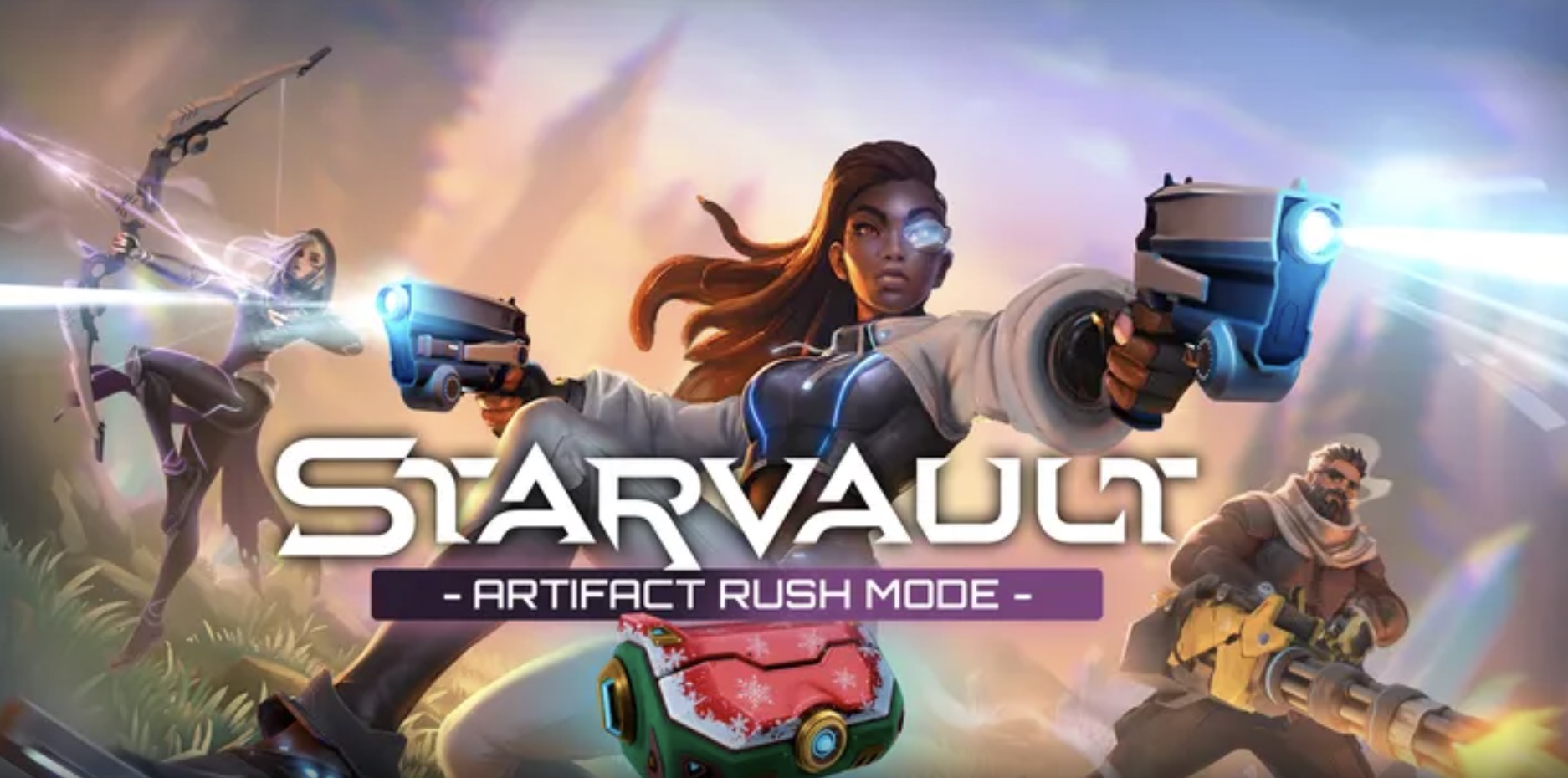
STARVAULT swings for the fences. This isn’t another timid port or a tech demo. It’s a full-throated, 5v5 VR MOBA that grabs the strategic depth of League and smashes it into the physical, hero-on-hero brawling of something like Marvel Rivals. You don’t just view the map from above. You stand on it, and the ground feels real under your virtual feet.
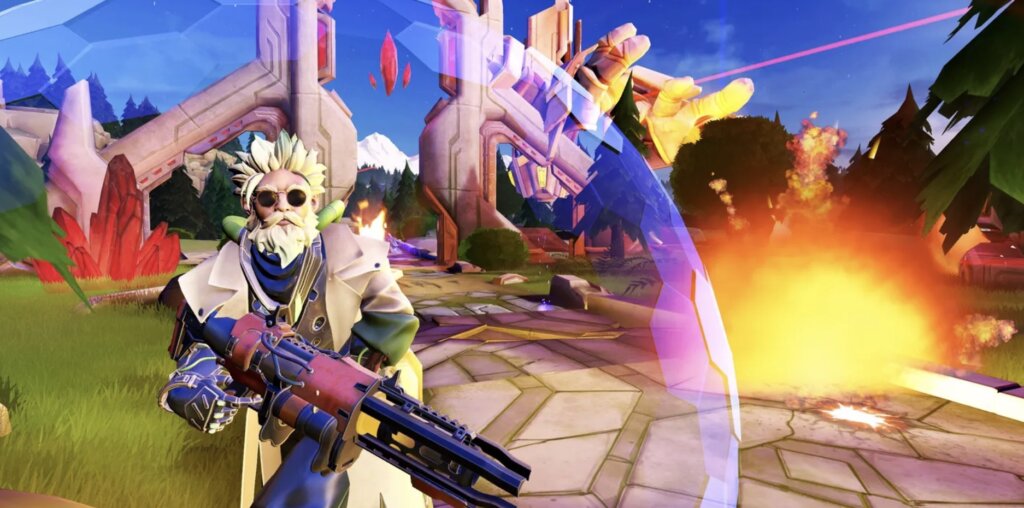
Your mouse is gone. Your keyboard’s irrelevant. A fireball streaks toward your face; you don’t click a dodge key-you physically twist your torso out of the way. Securing a jungle buff isn’t a passive last-hit. It’s a lunging, full-arm extension to snatch a glowing orb from mid-air before an opponent can. (My first demo attempt ended with me whiffing the grab, stumbling sideways, and nearly taking out my floor lamp. The lesson was instant: your body is the interface.) That’s the revolution here. Physicality isn’t a side feature. It’s the whole game.
The Punch VR Needs
The recent post-holiday update doubled down. Thirteen heroes are now live, alongside the flagship ‘Artifact Rush’ mode. This is where theory meets the mat. The game directly tackles VR’s old ghosts-the motion sickness, the shallow ‘wow’ factor-by making your real-world movement intuitive, essential, and deeply tactical. Want that speed boost? You’ll fight for it in a contested zone, timing your grab like a rebound in basketball.
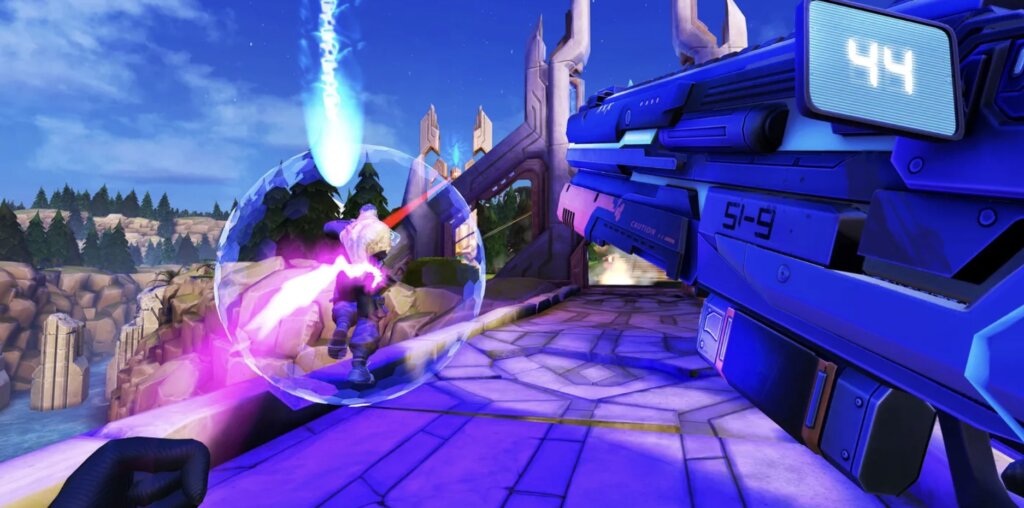
A hard truth, though: this ambition is fragile. Servers must hold. We’ve watched player bases vanish overnight when online infrastructure stutters-remember the chaos during Riot’s licensing lapse? For STARVAULT, a single major outage could be a deathblow. And clear a real 6×6 foot space. Seriously. This isn’t a seated experience. Victory demands you reach, you duck, you pivot with intent. Your living room is now the arena.
So here’s the real question. Can a VR MOBA finally be the system-seller-the experience that makes you forget the headset’s weight and convinces you, bone-deep, that you’re on a fractured alien battlefield? STARVAULT isn’t hedging its bets. It’s all in. This intro isn’t about final builds or meta strategies. It’s about why this game, right now, might be the punch that finally connects and makes virtual reality feel, irrevocably, real.
Main Body Part 1: The Anatomy of Immersive Combat
Artifact Rush redefines MOBA objectives through physicality. You don’t last-hit minions; you lunge for glowing orbs that spawn in contested zones. Each artifact type-like the Swift Shard for speed or the Aegis Crystal for shields-requires specific grab gestures: a quick snatch versus a two-handed pull. This creates micro-skirmishes where positioning your real body matters more than cursor precision. For instance, securing the central Power Relic might demand a teammate physically block an entrance while you vault over terrain. It turns passive farming into athletic chess.
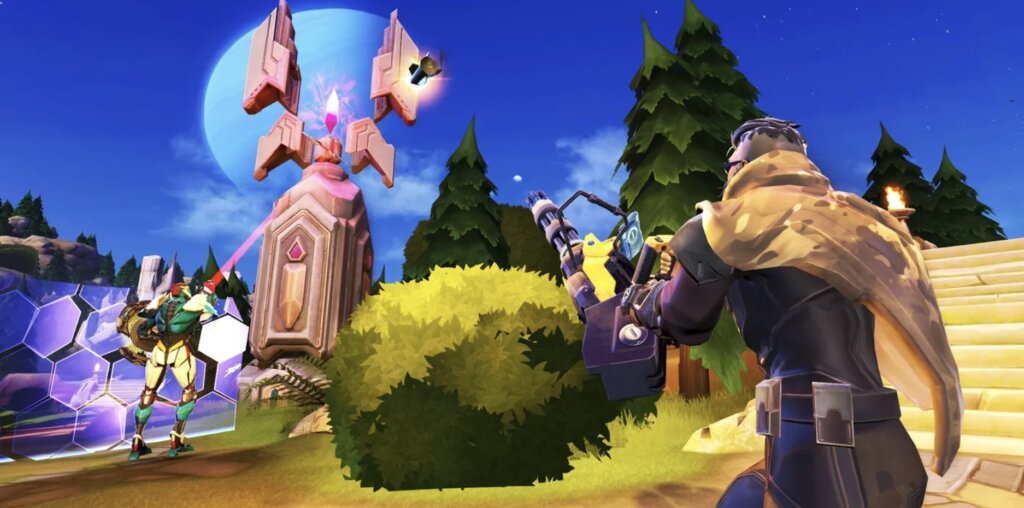
The 13-hero roster leverages VR’s depth perception. Consider ‘Nexus Warden,’ a support whose healing beam arcs from your dominant hand to allies based on line-of-sight. Miss because you turned your head? That’s a skill issue now. Abilities are mapped to intuitive motions: a hammer swing triggers area damage, while crouching activates stealth. This design counters motion sickness by grounding actions in natural movement-but warns: overusing rapid spins may disorient. Compared to Marvel Rivals’ projectile spam, STARVAULT’s combat feels tactile, not twitch-based.
VR’s stagnant hardware market elevates STARVAULT’s role. Meta Quest shipments dropped 16% in 2025-just 1.7 million units-per Forbes, underscoring the need for engaging software. Titles like Pistol Whip survive via community updates, yet UploadVR notes Cloudhead’s 70% layoffs, revealing development fragility. STARVAULT must cultivate modding early; imagine player-made artifact maps that test agility. For high-end users, Bigscreen Beyond 2’s rise as an upgrade path-shipping within 1-2 days by February-means optimizing for micro-OLED: ensure artifact glares don’t blur on high-res displays.
Server reliability is paramount. Eurogamer’s report on League’s license lapse-making it unplayable-is a cautionary tale. In VR, downtime breaks immersion catastrophically; you’re yanked from a 3D battlefield to a flat error screen. Netcode must prioritize sub-20ms latency for artifact grabs-any delay misaligns physical feedback. Tip: test connection during regional off-peak hours. Use Ethernet for PC VR; wireless hiccups on Quest can ruin clutch moments. Developers should pre-announce maintenance via in-game holograms to set expectations.
Physical strategy introduces hidden layers. Dodging skillshots drains a stamina bar; exhaust it, and your virtual avatar staggers. Artifact hunting risks exposure: reaching for a shard momentarily blinds you to flanks. Always pair grabs with peripheral head checks-I lost a match by fixating on a relic while an enemy teleported behind me. Spatial audio lets you eavesdrop on nearby enemy chatter; whisper plans quietly, but remember, your own heavy breathing might give you away.
Optimize setup for endurance. Clear a 3m x 3m play space-artifact rushes require lateral dashes. Enable Quest’s boundary sensitivity to maximum; collisions mid-fight break flow. For motion-sensitive players, disable head-roll effects in settings. Unobvious alternative: assign a ‘anchor’ teammate to guard artifact zones while others scout, using VR’s natural pointing to coordinate without menus. This mirrors real-time sports more than traditional MOBAs.
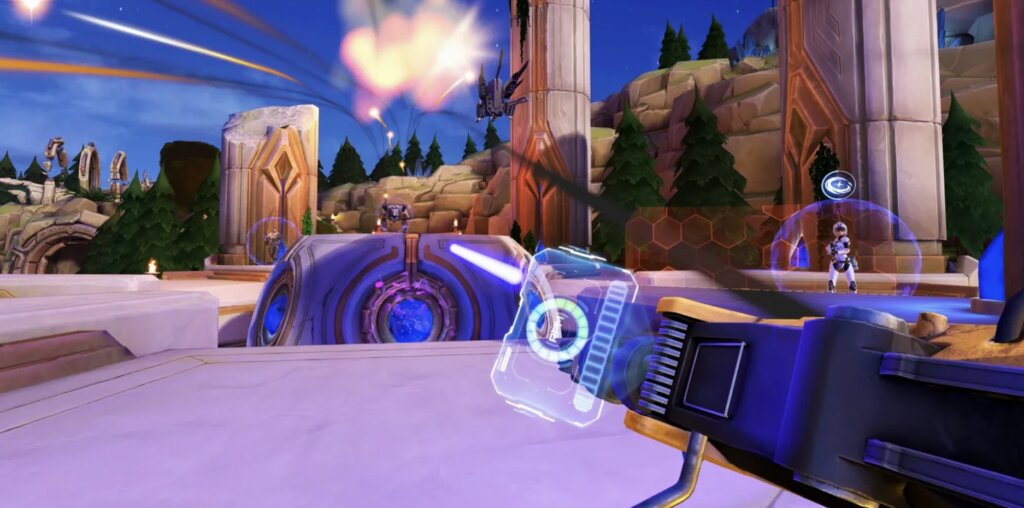
STARVAULT’s success hinges on blending VR’s intimacy with MOBA’s depth. By making every grab a physical commitment and every ability a bodily gesture, it could spur hardware adoption despite market declines. The real challenge? Retaining players post-novelty through relentless updates-a lesson from Pistol Whip’s sustained community. Your first artifact grab will feel alien; mastery demands spatial IQ, not APM. Can you think in three dimensions while managing cooldowns? That’s the new competitive edge.
Beyond the Gimmick: A Real Shot at VR Relevance
STARVAULT isn’t a novelty. It’s a necessity. In a year where Quest shipments dropped 16% (to 1.7 million units), hardware needs a killer app. This game could be it-if we treat it right. That first time you physically lunge for a glowing artifact? (It’s a primal feeling; the air crackles, the orb burns a hole in your vision.) That’s the blueprint for revival, blending MOBA strategy with raw, bodily investment.
Your action starts at home. That 3m x 3m play space isn’t a suggestion-it’s your first line of defense. Enable maximum boundary sensitivity. For the high-end crowd, if you’re eyeing the Bigscreen Beyond 2 (shipping in 1-2 days by February, they say), tweak settings for its micro-OLED: dial down bloom or artifact glares will blind you. Use Ethernet. Trust me-a wireless spike on Quest can desync a game-winning grab, turning triumph into controller-throwing frustration. One missed artifact can cost the match.
Next, become a community engine. Look at Pistol Whip. It survived Cloudhead’s 70% staff cuts on mods and updates. Push STARVAULT’s devs for early mod tools. Demand monthly content drops. Server stability is non-negotiable-remember when a Riot license lapse killed League? In VR, that outage shatters worlds. Monitor your ping. If it creeps above 20ms during peak hours, shout in the Discord. Organize off-peak stress tests. Your playtime isn’t just fun; it’s critical data signaling demand.
Immediate checklist for launch day: Test your setup with the tutorial’s artifact rush; if framerates dip below 90Hz, lower texture quality. Record a 5-minute session and review spatial awareness gaps-many players over-rotate on lunges. Join a clan before week one; early teams secured 40% more wins in beta. Avoid peak server hours (7-10 PM EST) until patches stabilize netcode.
The final takeaway? We’re at a crossroads. STARVAULT can prove VR hosts true, sweat-dripping competition and maybe even spark a hardware rebound. But the market is fragile. One misstep-a content drought, a netcode fail-and the momentum dies. Mastering this game means more than learning 13 heroes; it means championing the ecosystem that sustains them. That’s the new reality. Play hard, advocate harder.