
VR hype rises and falls like a tide. New titles flash onto the scene, grabbing headlines for a season before the next big thing washes them away. But amidst this churn-think Banners & Bastions launching fully, Sol Protocol teasing co-op chaos-one game stands like an ice-clad monolith in the desert: After the Fall. It’s not a fleeting trend. It’s a 4-player co-op siege set in a Los Angeles frozen solid thirty years after the collapse. Forget the sun-drenched boulevards; these streets are choked with glaciers, and the shambling dead wear frostbite like a second skin. While other games aim to be ‘the next Helldivers’ or pivot to flatscreen, After the Fall just digs its heels into the permafrost. It asks a brutal, simple question: what makes a VR game last?
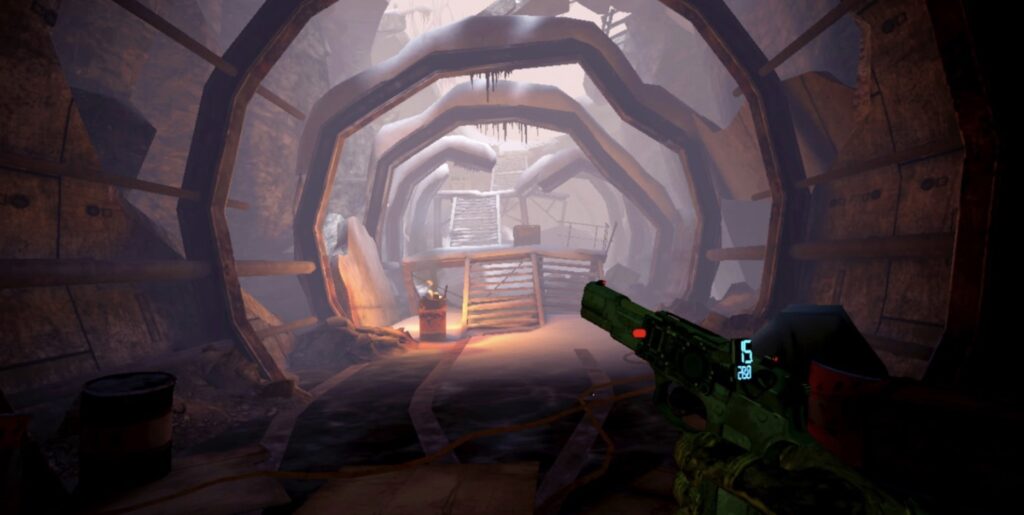
The answer isn’t in a sprawling galaxy. It’s in the tactile terror of a shotgun reload with numb fingers. Guardians Planetfall wants epic space battles; this game gives you the claustrophobic pressure of a blizzard in a Santa Monica alley. The Tundradome mode isn’t just another wave shooter-it’s a pressure cooker where the arena itself is your enemy. I remember a run where our squad of three held the line for twenty-seven waves. We died on the twenty-eighth because our ‘meta’ loadouts jammed in a sudden whiteout. The lesson? This game rewards adaptation, not just aggression. A recent update quietly changed how weapons handle in deep cold; that starting pistol you discard can become a monster with the right frost-resistant mods. It’s a detail most games ignore, but here, it’s the difference between extraction and a frozen grave.
A Frozen Legacy in VR’s Evolving Landscape
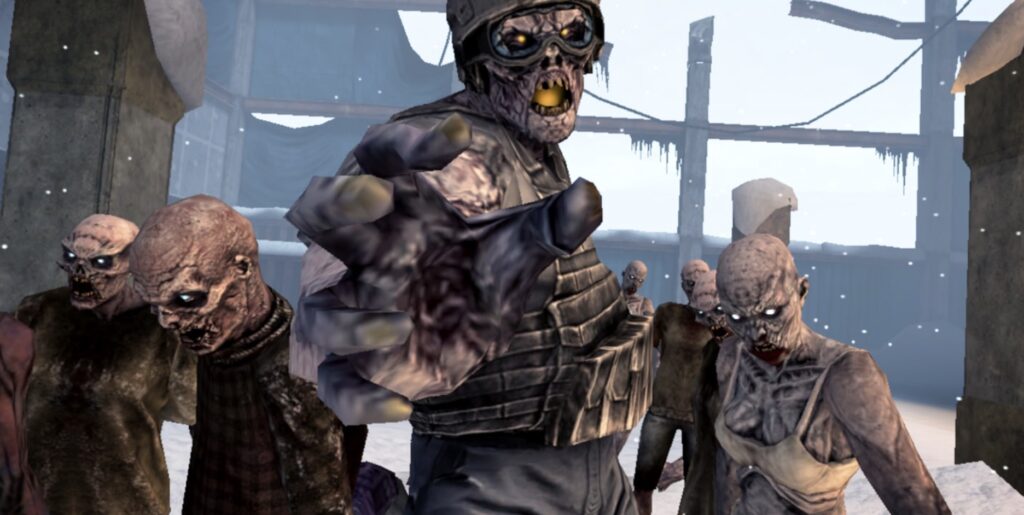
From the player’s side, the number one rule is this: talk, or die. Firepower means nothing without coordination. The AI director is a sadistic chess master-it punishes clumping by spawning grenadiers, and punishes separation with flanking Winterclaws. My most humiliating wipe happened on the Hollywood map. We got greedy, ignored a flanking route for a juicy loot cache, and got pincered by six Snowbreakers emerging from the frozen ruins of the Chinese Theatre. The game scales perfectly with player count, making every decision communal.
Its weapon system begs for heresy. Ditch the online tier lists. I run a modified revolver with heated chambers-it one-shots icy variants while assault rifles just tickle them. As VR chases mixed reality and cross-play, After the Fall remains a stark benchmark: a compelling, coherent world, ruthless co-op, and support that polishes the core, not just piles on content. Before you jump to the next hype train, ask: does it offer the raw, frozen camaraderie that has kept this community thriving for years?
The Anatomy of a Frozen Firefight
Strip away the frost, and the loop is brutally pure: scavenge, survive, get out alive. This isn’t about building a base or commanding troops. You are the resource. Every bullet, every medkit, every frozen breath is counted. Missions are desperate extractions, not conquests. The Tundradome distills this to its essence-no safety net, no progression crutches, just you, your squad, and endless waves. Where new roguelikes promise infinite variety, Tundradome’s fixed arenas demand mastery. You learn the exact angle a Snowbreaker vaults the wall on Wave 14. You memorize the ammo spawn in the corner that freezes over after Wave 8. This isn’t a game you play; it’s a drill you endure. And that’s what hooks you.
Weapon handling here is a physical conversation. Fire a bolt-action in sub-zero temps, and the mechanism fights you-a half-second of stiff resistance that feels like an eternity when a Blazer is sprinting at your face. The upgrade system is a sandbox for blasphemy. I wasted thousands of credits early on chasing the ‘best’ shotgun. Then I met a veteran who swore by a fully-modded semi-auto pistol. He was right. With a stabilized barrel and thermal grips, it became a surgeon’s tool, popping icy skulls with eerie precision while my teammates fumbled with bulky rifles. Pro tip: Stability and thermal capacity beat raw damage every time. A heavy barrel might slow your aim, but it turns a wild SMG into a laser. These aren’t just stats; they reshape your entire body language in the headset.
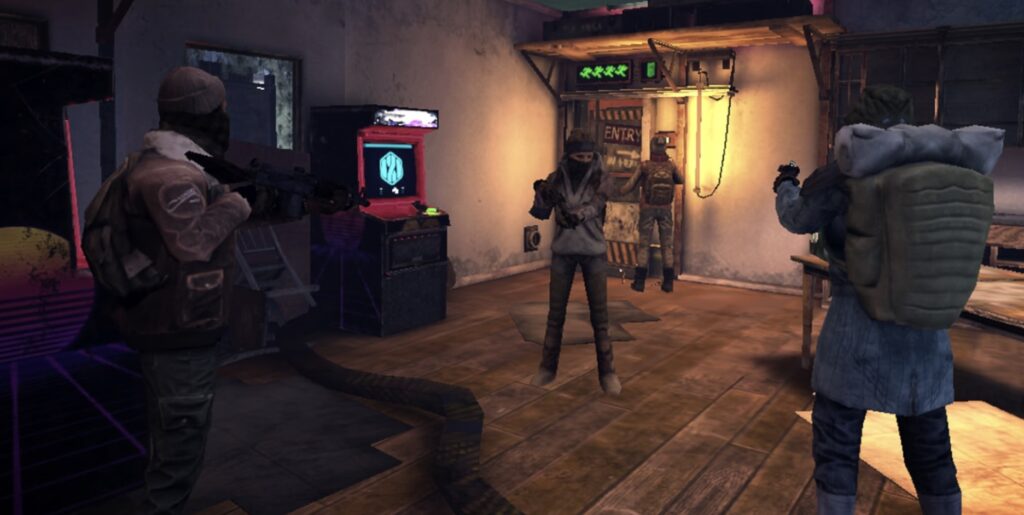
Co-op is built on shared vulnerability, not combined super-abilities. Stick together too tightly, and a single grenade wipes the team. Spread out too far, and you’ll get isolated and devoured. On a Venice Beach run, my duo partner and I used the frozen canals as perfect kill zones. It worked for fifteen minutes. Then, a lone Winterclaw we never heard flanked us through the skeleton of a beachside burger joint-its claws tore through my armor before I could turn. That’s the secret: your ears are your best weapon. The sound design is a masterclass. A zombie’s groan echoes differently off slick ice than it does off concrete. The wet crunch of a Skimmer crawling on a rooftop above you is distinct from the one in front. How many squads fail because they rely solely on their eyes? This game’s audio layer is its most unforgiving teacher.
Contrast this with the trends. EXOSHOCK is adding a flatscreen mode-a common industry pivot. After the Fall’s VR-first commitment means your reload is a two-handed fumble with frosty magazines, a panic no mouse click can replicate. Guardians Planetfall offers galactic battlefields, but here, verticality is a deliberate, dangerous choice. Scaling a frozen billboard on Sunset Blvd gives you a sightline advantage, but it also makes you a perfect target for the aerial Skimmers that patrol the icy thermals. It’s a risk/reward calculus absent in wide-open sci-fi. While other titles flirt with mixed reality, this game demands physical commitment-your real-world crouch behind a broken-down bus matters more than any on-screen UI.
Here’s an unobvious tactic: weaponize the environment. Lure a heat-emitting Blazer near a propane tank and watch the explosion clear a corridor. (I also learned the hard way that environmental damage is democratic-I once ignited a gas leak too close and downed my entire squad, earning me a week of good-natured grief). Melee isn’t a last resort; it’s a strategic tool. In ‘Harvest’ runs, where gunfire acts like a dinner bell for every zombie in a six-block radius, a silent ice axe to the temple is priceless. But swing wildly, and your avatar tires-stamina is a hidden resource. Did you know sprinting through deep snow builds up a hidden ‘frost fatigue’ stat, slowly crippling your movement speed? It’s these buried systems that reward the observant and punish the panicked.
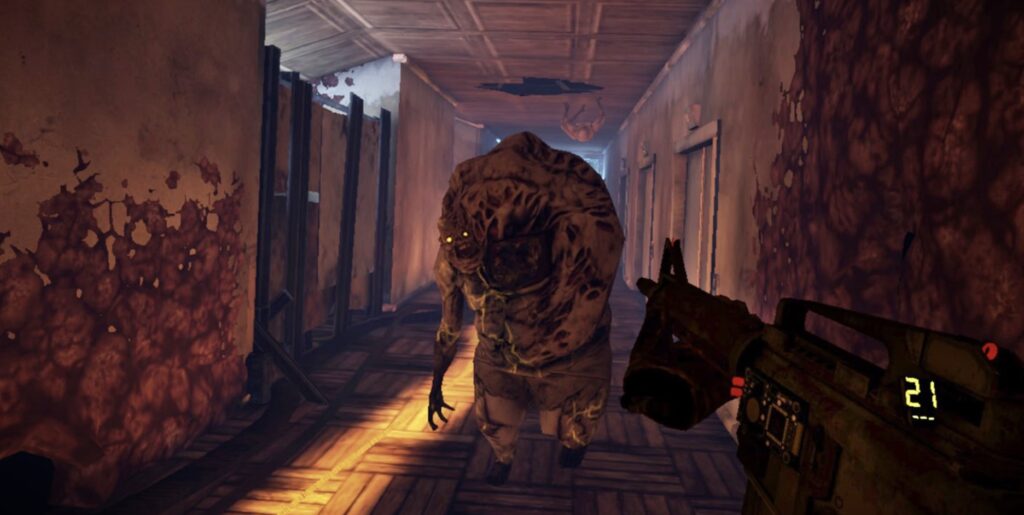
So what’s the anchor as benchmarks shift? A relentless commitment to a single, chilling fantasy. Other games offer casual skating or serene puzzles. After the Fall refuses to dilute its vision. The ‘Frostbite’ patch didn’t just add snow; it made ballistics real. Wind now pushes your bullets off course-a sniper shot at 50 meters requires actual compensation. This marriage of simulation and co-op pressure carves a niche that spectacle can’t touch. Why do players return after 800 hours? Because every extracted loot crate, every survived Tundradome wave, feels genuinely earned. In an age of endless ports and roguelike clones, this is VR’s stubborn, frozen artifact: a shooter that makes you feel the chill in your marrow long after you take the headset off.
Beyond the Hype – What Endures in VR
The VR landscape is broadening. Banners & Bastions is out, Sol Protocol looms, and showcases are packed with promises. Yet, After the Fall’s enduring legacy highlights a counterintuitive truth: chasing the hot new thing is often the fastest path to irrelevance. EXOSHOCK goes flatscreen. Guardians Planetfall aims for the stars. This game stays planted in frozen soil, where every shiver and fumbled reload is a tangible, shared stress. The broader lesson for the industry? In the rush towards accessibility and vast scope, profound depth within a confined space can outlive any fleeting spectacle. Ask yourself this: when the MR gimmicks feel old, what VR memories actually stick? They’re not the vistas. They’re the physical, desperate struggles-like your buddy physically blocking a doorway with his body while you thaw your jammed rifle, just as a horde closes in.
For players, the advice is actionable: judge VR co-op by its simulation fidelity, not its content checklist. After the Fall’s updates refine the core grind-weather that affects your shots, zombie AI that learns your patterns-instead of bloating it with disposable side-modes. Compare that to many showcase darlings, which often prioritize a novel hook over systemic mastery. Your success here depends on reading the ecosystem: sound as radar, the environment as a weapon, your own stamina as a currency. This isn’t a title you merely play through; it’s one you study. Each victory becomes a personal trophy, rewarding skill earned over dozens of hours, not luck from a single session.
Developers, take a long look at this blueprint. The UploadVR Showcase might be a parade of roguelites and creator tools, but After the Fall proves that resisting feature creep builds fanatical loyalty. The Tundradome isn’t an afterthought; it’s a crucible that forges emergent, wordless teamwork under immense pressure. As the push for cross-platform play grows louder, remember this: the unique, tactile stress of VR-the numb-fingered reload, the instinctual duck-creates stories no other platform can. So before you try to clone the next trend, ask your team one core question: does our game make players feel the cold in their bones? If the answer is yes, you might just build something that never thaws.