
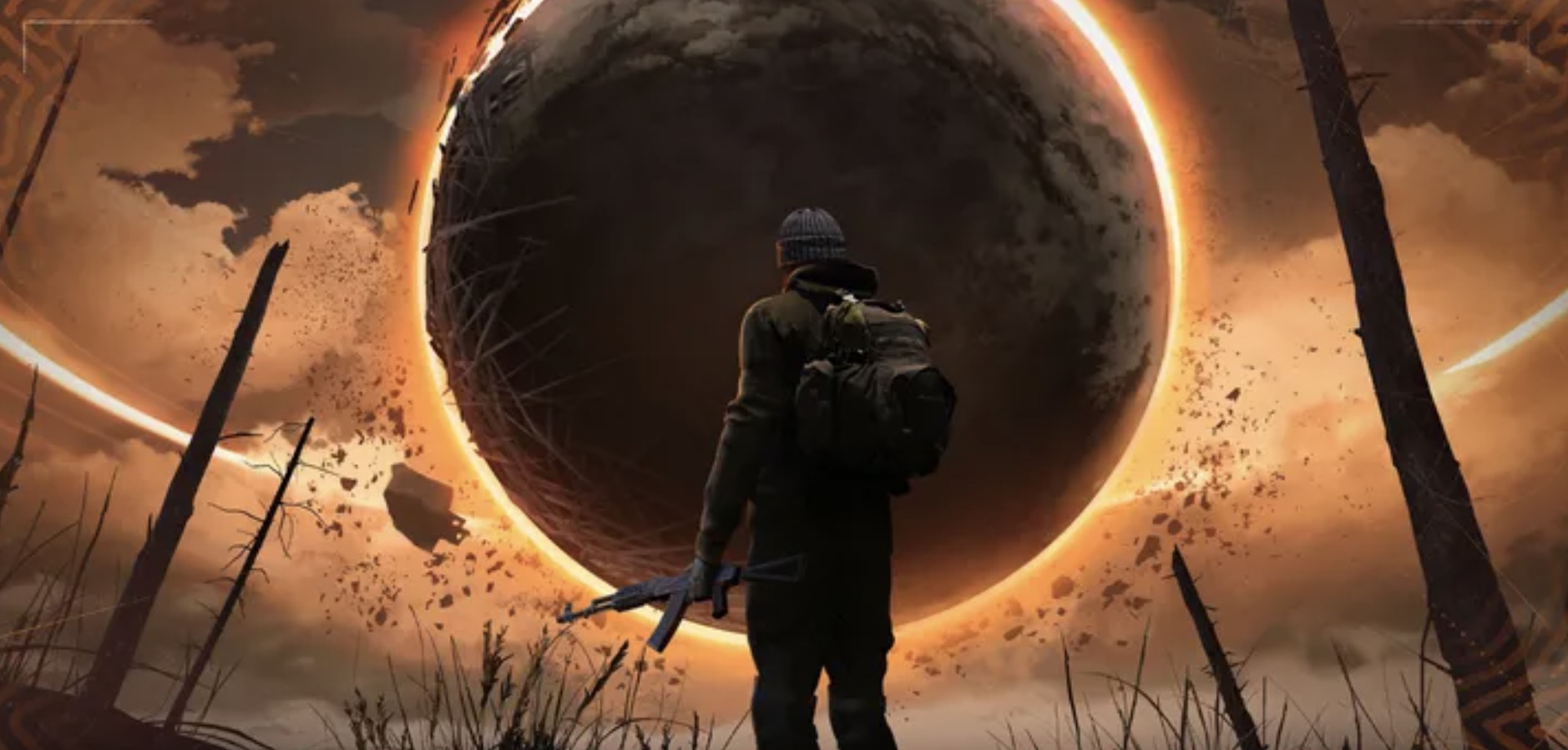
Your hands shake. Not from cold-from the raw, buzzing silence of Pechorsk. Last week, I spent twenty real minutes staring at a ‘Bubble’ anomaly, heart thumping. (One wrong step, and your loot vanishes-poof.) Into the Radius 2 isn’t just a VR game; it’s a nerve-shredding test. It takes the isolated dread of STALKER and transforms it into a shared ordeal. For players bored of arcade shooters, this is where survival becomes personal. I once froze when a Mimic copied my partner’s voice-pleading from the fog. (It was a trap.) That moment sticks: every whisper, every shadow, matters.

Here’s the problem: VR often promises immersion but delivers gimmicks. Recall reloading a pistol with a lazy wave? Into the Radius 2 forces you to clear jams using a physical rod, virtual oil smearing your gloves. The original sold over 200,000 Quest copies, with fans averaging 30 hours in the Zone.
Introduction: When the Zone Gets Under Your Skin
This sequel builds on that cult following. That $28 Meta Quest discount? A steal, but the real value lies deeper. While STALKER 2 updates its PC world, this sequel crafts a reactive Pechorsk where anomalies learn. Enter a ‘Web’ anomaly twice, and it shifts-anticipating your third, predictable move. Smart, ruthless, and waiting.
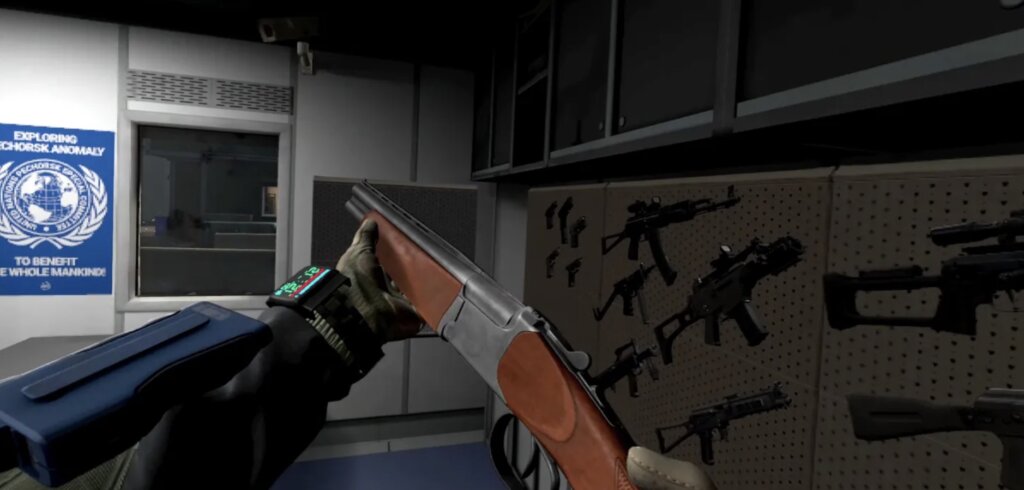
Why dive in now? Co-op changes everything. Picture this: you’re hissing coordinates over comms while your buddy stanches a bullet wound. (I botched a mission once when my ally missed a Slider-cost us both our gear.) Customization digs deep, too; blend ammo types to juggle penetration and cost, or tweak your backpack to curb stamina drain. The core flaw in VR survival? It can feel shallow. Into the Radius 2 fixes this by making teamwork essential in high-risk zones-you’ll need a spotter to skirt anomaly fields alive. This intro sets the stage: we’re exploring how communication, gear obsession, and adaptive environments turn Pechorsk into a living nightmare. Brace yourself.
The Gritty, Physical Reality of Pechorsk
Co-op is less a game mode and more a survival pact. Last Tuesday, my partner and I were pinned in the Swamp. Detectors screamed. A single mis-whispered callout-“Mimic at ten” instead of “Commander at ten”-ended with both our prized rifles lost to the acidic mud. The AI exploits division. Make noise, and grenades arc toward you. Go silent, and patrols flank. Die together? Your gear stays there until another soul risks retrieving it. (We lost a fully-kitted AS VAL that way. A $1200 in-game lesson.)
Customization is a physics problem, not a menu. Screw that Heavy Suppressor onto your AK? It adds 0.83 kilograms. Your aim-down-sights speed drops by nearly 20%. I learned the hard way that a laser sight is a beacon in the Pechorsk fog-a Slider followed the tiny red dot right to my hiding spot. Ammo choice is brutal calculus. Armor-piercing rounds zip through a Commander’s helmet but waste energy on fleshy Mimics. You’ll pack hybrid magazines: three hollow-points on top, two AP rounds at the bottom. Every gram counts. Sprint with six grenades on your rig? Your stamina vanishes in eight seconds flat.
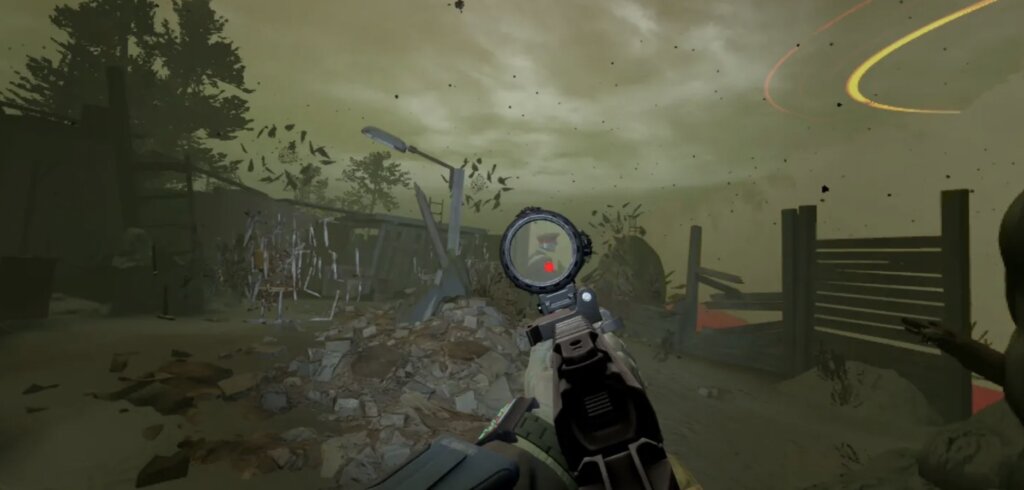
The Zone learns. The ‘Burner’ anomaly is a heat-shimmer that cooks anything inside. We skirted it four times to loot a stash. On the fifth approach, its radius silently expanded two meters, herding us into a sniper’s sightline. The ‘Whirlpools’ are worse. Use one as a gravitational shortcut twice, and its pull intensifies. My buddy’s shotgun was ripped from his grip-a $550 loss. These systems track player patterns. No exploit is safe. Repetition gets punished.
Economy is a cruel teacher. Sell a pristine ‘Nighteye’ artifact? That’s 1,250 credits. But repair a battered AK-74 from 10% durability? That’s 900 credits. After a major server wipe where dozens died, repair costs spiked 30% for 48 real-time hours. This forces night raids, where visibility drops to five meters and anomaly activity jumps 40%. The trade-off is visceral: do you eat tonight, or can your gun eat tomorrow?
Compare it to the flat-screen evolution. STALKER 2’s free update added Limansk-a new hub, more quests. Horizontal expansion. Into the Radius 2, now $28 on the Meta holiday sale, builds downward. VR depth turns every action into a memory. You don’t just loot a can of food; you physically pry it from a corpse’s frozen fingers. The sale includes other titles, but here, the value is in the 40% peak-hour player spike-servers are alive. The trade-off? This isn’t a lean-back experience. After a two-hour session, your shoulders ache from the virtual backpack.
Practical intel from the trenches. Drill a ‘hot-swap’ protocol: in close quarters, passing a shotgun must take under three seconds. (This saved us in the Factory.) Never over-mod one weapon. My ‘ultimate’ M4 had a scope, suppressor, and under-barrel launcher. It jammed during an Emission cycle, leaving me with a very expensive club. Test anomalies right after an Emission event-their behavioral AI resets for a precious ten-minute window. And that heavy pack? It literally drags on your virtual shoulders, slowing your physical turn speed by degrees. Mobility beats firepower in unknown sectors.
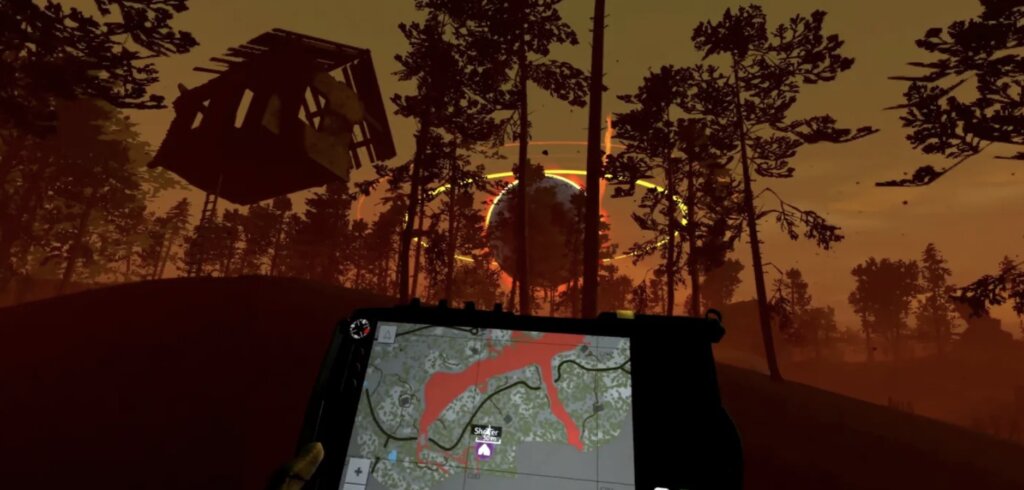
This is where stories are born. Like the time my squad’s last flashlight died in the Construction Yard. We navigated by touch, fingers tracing concrete, listening for Mimic breaths. We emerged with one single, shared artifact. Or when a ‘Springboard’ anomaly we’d used as a jump-pad for weeks suddenly inverted its force, catapulting our loot into a ravine. These aren’t scripted moments. They’re emergent narratives forged from failure, adaptation, and the unique, dreadful intimacy of VR. You don’t just play a session; you endure an expedition.
The Zone’s Final Lesson: What Pechorsk Demands of You
This isn’t just a sale. It’s a summons. That 30% discount on the Meta holiday sale? It drops the price to $28. Think of it as your admission fee to a masterclass in VR’s gut-punch potential. While other titles expand horizontally, Into the Radius 2 drills deep-transforming physical presence into your most vital, and vulnerable, resource. The game’s ‘smart’ anomalies are the perfect teacher. (We called one “The Librarian”-a ‘Slider’ that learns your dodge patterns. After three successful sidesteps, it fakes left and catches you right. Brutal.)
The real evolution here is intimacy, not acreage. STALKER 2 adds a hub; Pechorsk adds history-your history. A grenade pin you dropped in a panic last week becomes a landmark. A broken crate you used for cover is a tactical memory. Co-op amplifies this: pair a methodical scout who maps anomaly clusters with a friend who prefers a scattergun rampage. The tension between their styles forges stories no script can write. We learned that after a BTR patrol pinned us for 20 real minutes. My partner’s hoarded AP ammo finally paid off, saving the artifact run. That memory sticks.
So, what’s your next move? Commit. But commit smart.
First, partner wisely. Find someone whose playstyle clashes with yours. The planner/reckless duo creates chaos that the Zone’s AI can’t predict. Second, embrace jank. Let a bad weapon mod-like a laser that obscures your iron sights-teach you a visceral lesson. My ‘ultimate’ rifle became a 4kg paperweight in a night-fight. Third, time your probes. Anomaly behavior resets for roughly ten minutes post-Emission. That’s your window to learn a new ‘Springboard’ or ‘Whirligig’ without losing a leg. Finally, move light. That pack drag isn’t just visual. At 35kg, your physical turn speed drops by a tangible 1.5 kg of torque on your real shoulders. Mobility is your primary weapon.
Rushing through missions misses the point entirely. Survival here is a deliberate, practiced rhythm. It’s checking your gas mask filter count (always carry two), not just your ammo. It’s the quiet dread of a dying flashlight beam. This game sets a new benchmark: true immersion isn’t about pretty landscapes. It’s about consequences you feel in your muscles. Your choices in Pechorsk won’t just change a game world. They’ll recalibrate your expectations for what VR can do. The Zone is waiting. Step in.