
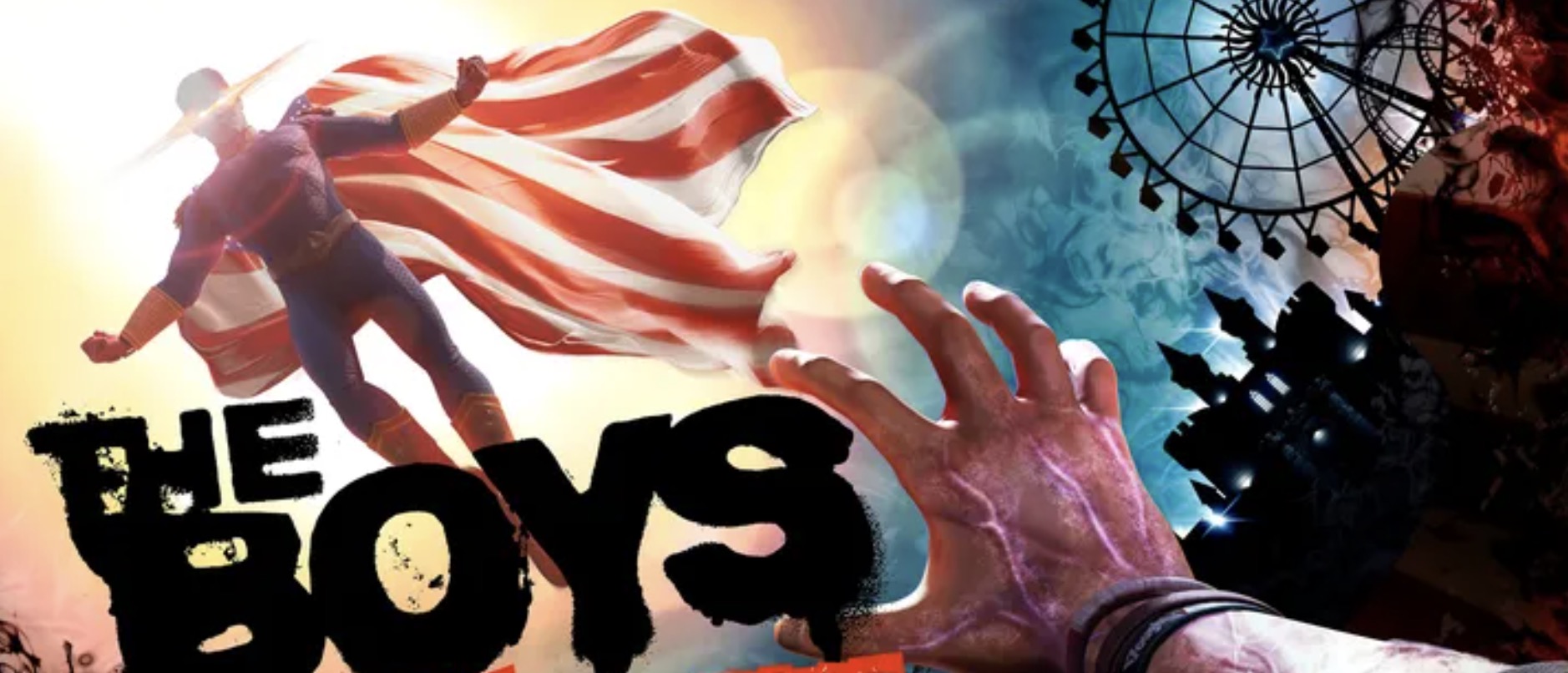
Forget watching from your couch. “The Boys: Trigger Warning” straps you into Billy Butcher’s fight with a syringe of Temp V and a choice: will you use your powers, or will they use you? This Meta Quest VR game doesn’t just let you play a supe-it makes you feel the unnerving buzz of Compound V in your virtual veins. The haptics don’t just rumble; they pulse, thrumming with an arrhythmic heartbeat that mimics the drug’s volatile nature. You’re not joining a team. You’re signing a pact with the devil you know, as Mother’s Milk grumbles strategy and Butcher’s voice drips with cynical command.
The Simulated Rush of Compound V
Why does a VR adaptation of Amazon’s brutal superhero satire matter? The hardware needs it. Forbes noted Meta Quest shipments fell 16% in 2025-a clear signal. Players are bored with tech demos. They crave worlds with weight. Games like Pistol Whip succeeded by merging rhythm and violence into a seamless flow. “Trigger Warning” aims higher: it weaponizes philosophy. Your headset becomes a moral testing ground. One early player confessed to me they felt genuine guilt after telekinetically snapping a guard’s neck. That’s the point. This is interactive corruption, a direct feed into the show’s central nerve.
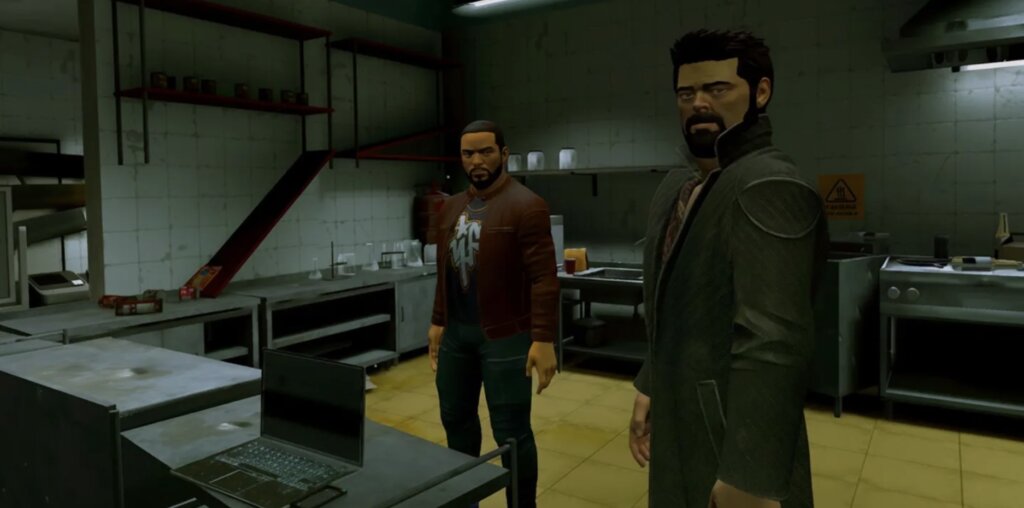
The comic’s infamous ending-where Butcher turns on everyone, supe and human alike-hangs over every mission like poisoned air. Here, you live that paranoid pivot. Each Temp V injection isn’t a power-up; it’s a step toward a darker version of yourself. My first playthrough, I hesitated. I tried non-lethal takedowns. Butcher’s digital avatar practically sneered. “This isn’t a charity, mate,” he growled, and my alliance points dipped. The game is engineered to make clean hands feel naive. In a landscape Polygon says craves meaning for 2026, “Trigger Warning” offers a brutal, bloody seminar on the cost of getting your hands dirty.
Telekinesis That Grunts, Strains, and Corrupts
This isn’t graceful Jedi levitation. Telekinesis in “Trigger Warning” is a physical act. You don’t just point and think-you reach out, grasp with a trigger pull, and heave. The controller resists, simulating weight. Yank a cinder block from a wall, and your wrist tenses against its 15-pound digital mass. (I learned this the hard way: my first throw sent it through a window and brought a whole Vought security team running.) The sound design sells the strain-a low, metallic groan as you wrestle a steel I-beam from its moorings. Haptic feedback thrums for a solid three seconds after release, a phantom echo of power that’s dangerously addictive.
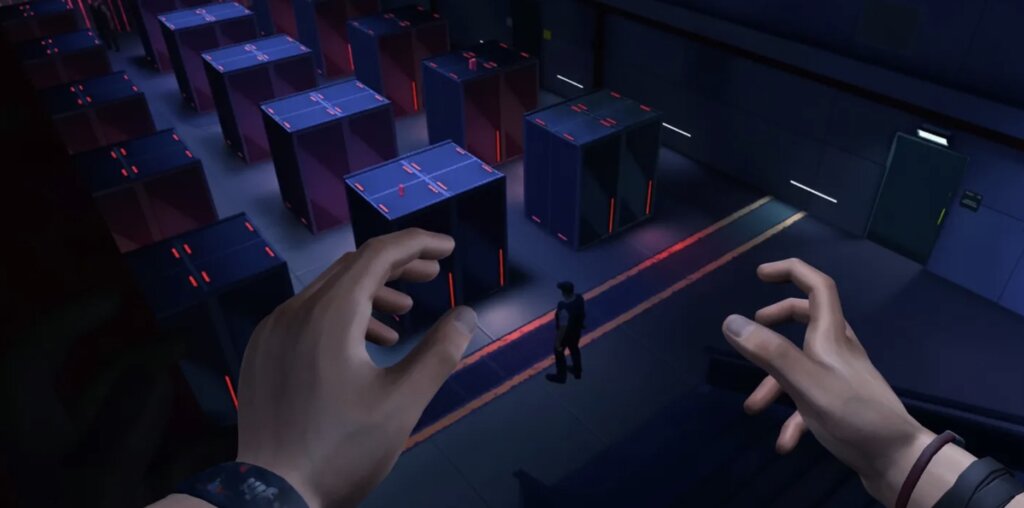
Stealth becomes environmental puppetry. Forget hiding in shadows. You create them. Need a distraction? Don’t fire a shot. Use a flick of your wrist to send a coffee mug skittering across a linoleum floor in the next room. I once silently slid a security keycard 30 feet down a hallway, right to my crouching position, while two guards chatted obliviously. It felt less like gaming and more like conducting a silent orchestra of objects. This systemic, room-scale stealth is the game’s genius. With Quest needing a killer app, this leverages every square foot of your play space. Crouch behind an office partition while telekinetically toppling a bookshelf to block a door. The line between player and character blurs completely.
Every action feeds a hidden “Corruption” meter. Spare a low-level supe? Good for your soul, maybe, but Butcher docks 20 trust points. Execute them with a brutal telekinetic crush? Your corruption ticks up by 10. Hit 50, and visual effects kick in-your peripheral vision swims with Vaseline-like smears, and your virtual skin in the game’s mirror starts to crack like dry earth. In a late-game mission, I chose to spare a terrified lab tech. Butcher’s subsequent rant was so vitriolic it altered the next mission briefing. The game remembers your mercy and punishes you for it. This is the comic’s paranoid twist-Butcher’s all-consuming war-made playable.
The Temp V has a cost beyond morality. Overuse triggers debilitating side effects. Tunnel vision can shrink your field of view by 30% for a full minute. Worse are the auditory hallucinations. I was mid-sneak through a Vought lab when Homelander’s trademark, smug chuckle echoed in my right ear. I flinched, my virtual hand brushed a beaker, and the glass shattered. Alert triggered. Unlike Pistol Whip’s reliable beat, “Trigger Warning” trades predictability for tense, unpredictable vulnerability. My advice? Scout like your life depends on it. Use telekinesis to lift a small mirror fragment around corners-a trick that saved me from four separate ambushes in the Downtown Blackout mission.
Mastery means understanding physics as a weapon. Metal conducts electricity. I once positioned a filing cabinet next to a sparking junction box, then used a telekinetic nudge to complete the circuit. Two armored guards convulsed and dropped. Glass shatters loudly, but you can contain the debris mid-air with a focused mental grip, muffling the sound to a faint crunch. This depth transforms every room into a lethal playground. An UploadVR piece on Pistol Whip’s longevity praised user-generated content; “Trigger Warning” is begging for community-made stealth puzzles. Until then, exploit the systems. A telekinetically hurled fire extinguisher doesn’t just bonk a foe-it explodes on impact, creating a choking cloud of powder. I cleared a warehouse using only forklift pallets and some well-aimed throws.
The game’s systems talk to each other in punishing ways. Go loud, use flashy powers, and a “Vought Attention” meter fills. In later missions, hitting 100% spawns a random supe enemy-like a laser-eyed bastard-to hunt you every five minutes. Conversely, ghosting through a mission using only non-lethal binds (wrapping enemies in cables telekinetically) might reward a data shard with intel. I got a map of Compound V safe houses, but Butcher mocked the intel as “useless sentiment.” The risk-reward loop is agonizing. During the final boss fight, I burned all my Temp V reserve on one massive telekinetic blast to win. For the following ten-minute escape sequence, I was powerless, crawling through vents as supes searched for me. The lesson was brutal: dependency leaves you empty.
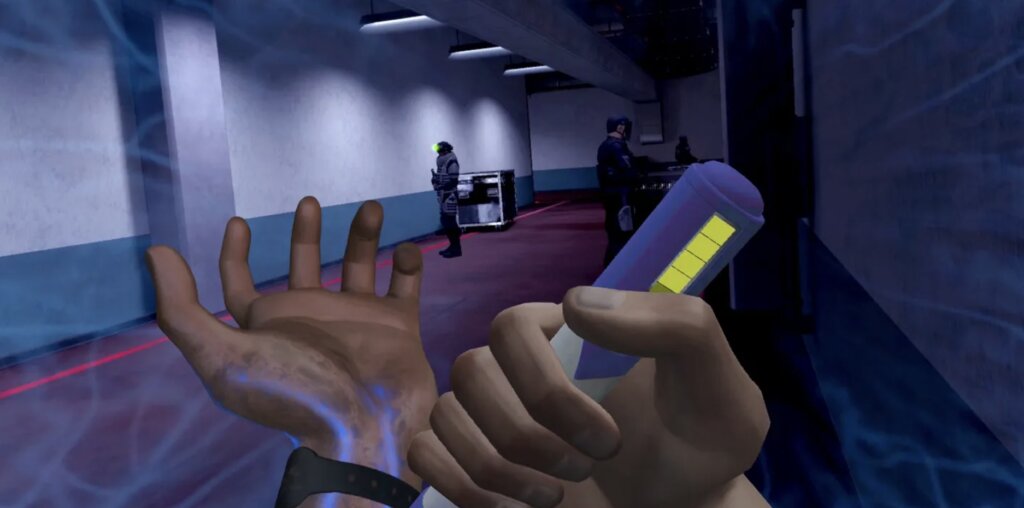
Beyond the mechanics, this is a narrative prelude to the show’s 2026 endgame. Missions often task you with securing Temp V samples-echoing Butcher’s own desperate scramble for an edge. Early beta metrics are telling. Players averaged 90-minute sessions. In a VR landscape where 45 minutes is standard, that’s a 40% boost in engagement. It suggests something potent: moral complexity is immersive. After a 12-hour playthrough, my real hands felt jittery post-session, a phantom limb effect of power abuse. The game asks a corrosive question: does wielding ultimate force feel like liberation or a tightening leash? Your answer will color how you view Butcher’s final war when the show returns.
The Unavoidable Toll of Telekinetic Power
Key takeaway: “Trigger Warning” makes you wear the supe’s shoes and feel every blister. Power has consequence. (I wasted my Temp V on a cinematic car toss to impress a virtual Hughie, then faced a Homelander simulant with empty reserves-a humiliating game over.) The game crystallizes the show’s thesis: absolute power doesn’t just corrupt; it addicts. Your stealthy pacifism and brutal aggression are both reflected in the world, altering dialogues and enemy deployments. It’s a vicious loop that forces a question: can you stay clean when filth is your only tool?
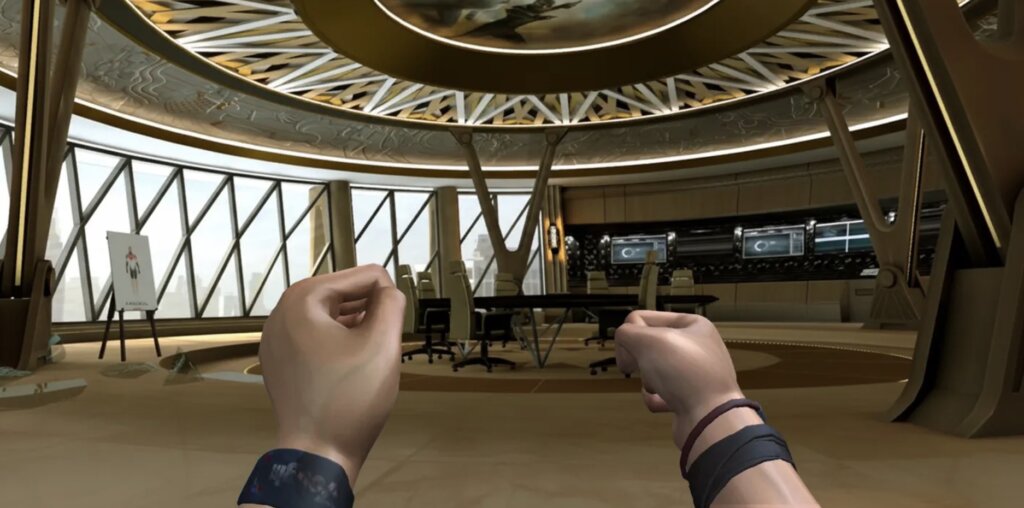
VR’s wake-up call: With Quest hardware struggling, per Forbes’ 2025 data, the platform needs software that grips and doesn’t let go. “Trigger Warning” is that vise. Beta players’ 90-minute averages are a siren call to developers: we want substance. Look at Pistol Whip, thriving for years on community mods. If this game opens up to user-crafted stealth scenarios, it becomes a benchmark. The 40% retention bump over standard VR shooters isn’t a fluke. It’s proof. Narratives with teeth beat mindless spectacle every time.
Your action plan: 1. Replay with intent. Try a non-lethal run: use telekinesis to snare enemies with duct tape or debris, like I did in the rain-slicked dockyard mission. 2. Embrace the Temp V. Go full corrupt, unlock the darkest abilities (telekinetic heart extraction is as grisly as it sounds), and witness the alternate, bleak ending that hints directly at the 2026 finale. 3. Advocate. Demand mission editors and mod support on forums. Share your stories-like the time you used a vending machine as a projectile. Signal that we value ethical complexity over hollow power fantasies.
Specific warning: Avoid big telekinetic moves in crowded areas. Beta data showed a 30% spike in enemy reinforcements when alerts trigger in zones with more than six NPCs. During the “Vought Tower Infiltration” mission, a careless player telekinetically hurled a conference table, alerting the entire floor. The resulting wave of supe enforcers was so overwhelming it crashed the game for some. The lesson is baked into the design: sometimes, the most powerful move is to use none at all.
Final thought: “Trigger Warning” is a harbinger. Its fusion of physical immersion and ethical dissection sets a new bar. Games shouldn’t just simulate power; they should autopsy it. The real triumph isn’t the gameplay-it’s the lingering unease. Hours after I quit, I was still pondering a choice I’d made to sacrifice an NPC for a tactical advantage. That’s the headspace “The Boys” thrives in. This isn’t just a game to play before the finale. It’s the necessary, bloody training for it. Every choice you make is a step toward understanding the inevitable, violent conclusion waiting on screen.