
Virtual reality is in a strange place. Its hardware keeps getting smaller, sharper, and more powerful. Yet, the studios that bring these worlds to life face a constant, crushing squeeze. It’s a paradox. Just look at Cloudhead Games-creators of the phenomenal Pistol Whip. They laid off 70% of their team, a gut-punch decision tied to a shrinking market. That’s the chilling reality behind the scenes.
But look at your headset. The platform itself? It’s thriving. Titles like Dungeons of Eternity or Asgard’s Wrath 2 aren’t just surviving on Quest-they’re packing lobbies, topping charts, winning awards. Developers are making a brutal, necessary calculation: focus your fire. Bet on the ecosystem that actually has the players.
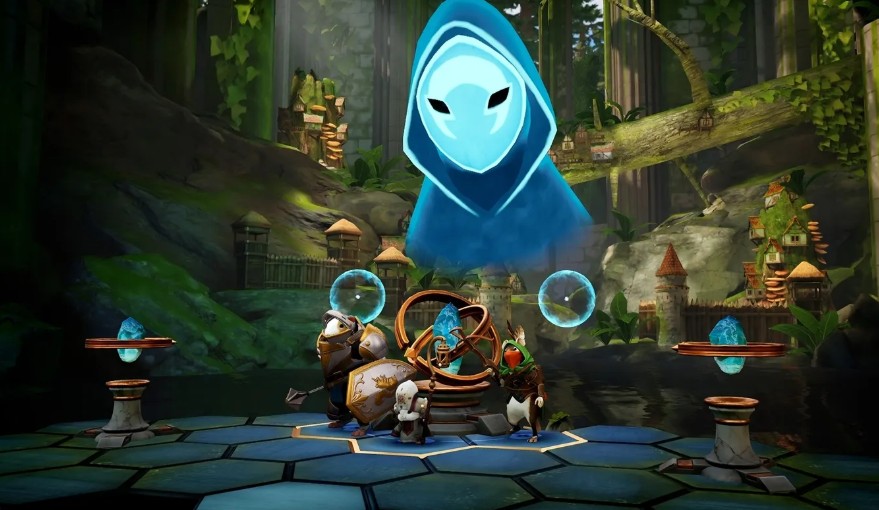
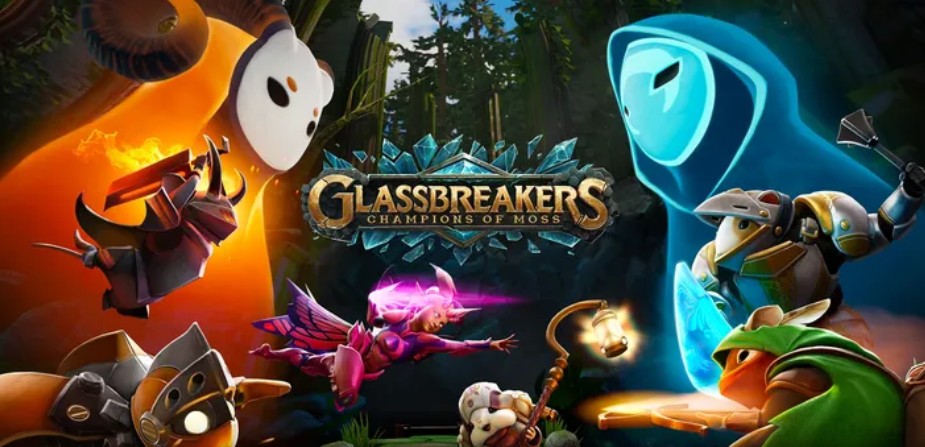
Polyarc’s Glassbreakers: Champions of Moss is a direct, elegant answer to that call. It’s a dedicated, tactical PvP game built exclusively for Quest. This isn’t a desperate gamble. It’s a sniper’s shot. They’re aiming for the heart of a platform where communities stick and games can truly live.
The Last Thing VR Needs is Another Shootout
PvP in VR is a tired debate. Many games treat it as a pure adrenaline surge-a frantic dance of lasers and dodges. Some studios avoid it altogether, like the team behind ARC Raiders who proudly refuse leaderboards, insisting their game “isn’t about shooting other players.” That’s one path.
Glassbreakers takes a different road entirely. It’s PvP, yes. But the goal isn’t to run and gun. It’s to out-think. The battlefield is a fragile arena where the primary objective is to shatter the enemy’s Glass. It forces a slower, more deliberate pace. Suddenly, a wrong move isn’t just a lost duel-it’s a structural weakness your opponent can exploit three turns later.
This isn’t about reflexes first. It’s about positioning. Resource management. Anticipation. You feel the tension in your shoulders, the careful turn of your wrist to command a hero. VR’s immersion makes every strategic decision visceral.
The Clock is Always Ticking
Here’s the unspoken rule of multiplayer: a game is only as alive as its player base. Launch on a barren platform, and your masterpiece dies in silence. We’ve seen it. The PSVR 2 is struggling with this exact ghost-town syndrome. Some developers, like the team behind UNDERDOGS, are already scaling back or axing multiplayer features for that platform entirely. Why build a lobby no one can fill?
Glassbreakers’ Quest-first strategy is a direct hedge against that fate. It plants its flag in the most reliable soil. For you, the player, that means shorter queues, fiercer competition, and a game that might actually still be kicking a year from now. It’s a practical promise, hidden in a launch plan.
Your Next Obsession?
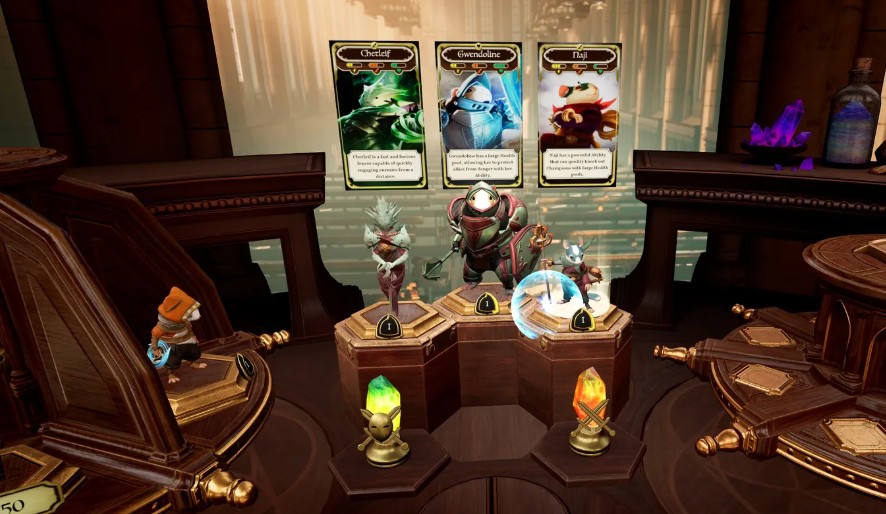
So why should you care? If your VR library is a graveyard of one-and-done rhythm games or social apps you log into twice, Glassbreakers offers something deeper. It’s the tactile joy of commanding a unique Moss Hero, combined with the chess-like satisfaction of building a synergistic squad. This is a world where a hero who heals might also cleanse a deadly debuff, turning a support pick into a game-winning counter.
This is Polyarc-the studio behind the enchanting, heartfelt Moss series-pivoting hard into competitive strategy. It’s a signal. Even in a fragile market, innovation finds a way. But it needs a stage. Glassbreakers has found one. Now it’s time to see who steps into the arena.
The Anatomy of Tactical VR Combat
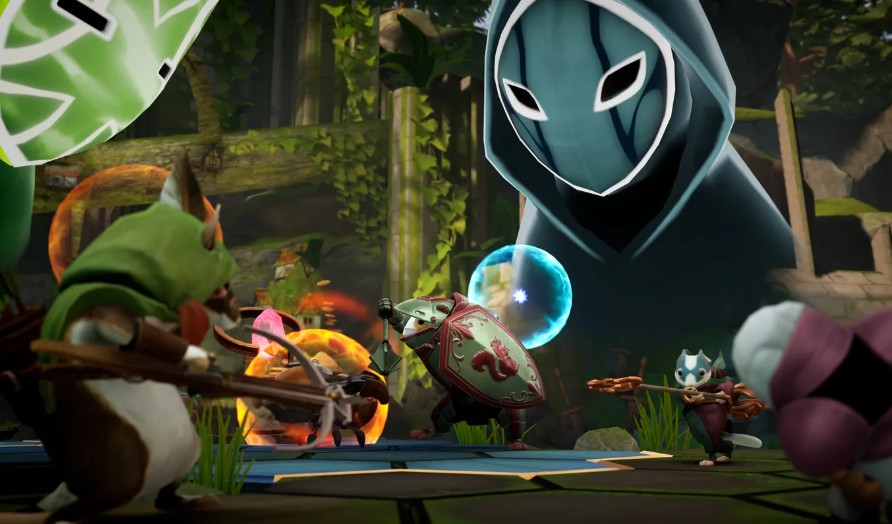
Forget stacking damage numbers. Glassbreakers starts with your trio. Quill-Moss’s familiar hero-now lunges forward, her small stature letting her duck under vine traps for a quick Glass-crack at close range. Pair her with a new hero like Arin, whose thorny vines don’t just entangle. They create a temporary zone of control, slowing anyone who steps inside. I saw this combo win a match in under 90 seconds.
Every ability has a hidden clause. That healing blossom? It also strips a corrosion debuff that would have shattered your center panel in three ticks. (I learned this the hard way last Tuesday, watching my Glass spiderweb as I healed uselessly.) A support pick isn’t passive; it’s a direct counter. Squad-building becomes a puzzle of covering vulnerabilities-a glass-cannon sniper needs a hero who can pop a domed shield for two crucial seconds.
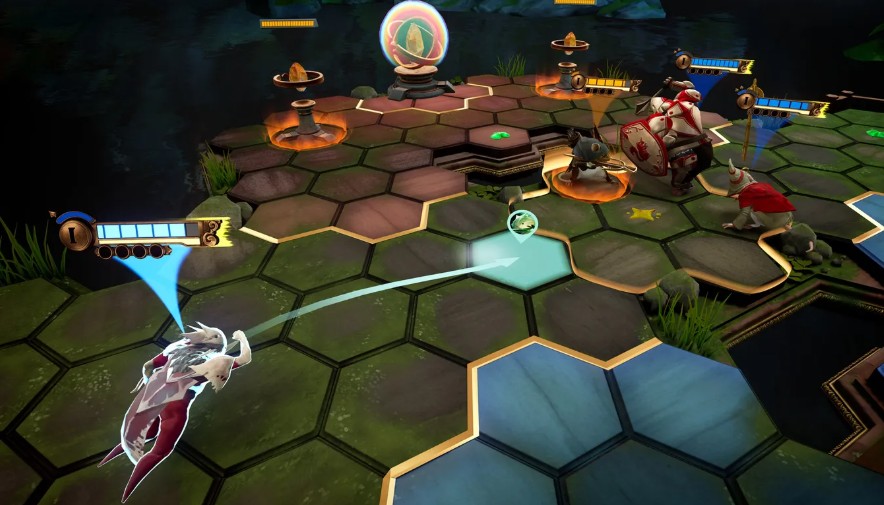
The goal isn’t to drain a health bar. It’s to shatter three physical Glass panels. Here’s the twist: weak points shift. One moment, a panel’s glowing core is on its right side. Flank left, and it might rotate to the front. You’re not just managing cooldowns; you’re reading a 360-degree chessboard. A well-timed shatter can swing a losing match. I’ve seen it happen at 1% panel integrity.
VR makes this physical. To command Quill, you swipe your hand in her direction-a literal push. Activating an ultimate is a pinch-and-throw gesture. The abstraction of a mouse click is gone. You feel the weight of a decision in your shoulder. Meta’s new hardware, like the Neural Band, hints at a future where a glance could queue an ability. For now, Quest’s hand-tracking makes strategy tactile.
But a PvP game needs players. Look at UNDERDOGS on PSVR 2. Its developers axed the multiplayer mode entirely after launch-player counts never broke a sustainable threshold. It’s a ghost-town cautionary tale. Polyarc’s Quest-exclusive launch is a direct answer. They’re building on the platform that just swept UploadVR’s 2025 awards. For you, that means hitting ‘find match’ and actually getting a game tonight, and next year.
This philosophy stands in stark contrast to something like Arc Raiders. Its developers famously refused to add leaderboards, fearing they’d foster toxic PvP aggression. Glassbreakers leans the other way. It channels that potential for ‘vociferous debate’ (read: griefing) into a ranked ladder. Your goal is to outthink, not out-camp. Strategy mediates the conflict.
Unobvious tip: Master energy management-the real silent killer. Each hero has a unique resource pool (Moss-energy, let’s call it). It recharges faster near your own Glass. But park a hero there for too long, and you’re predictable. I lost a match because I hoarded energy for a big ultimate. My opponent shattered my side panel during my cautious retreat. The sweet spot? Rotate heroes between aggressive pushes and defensive recharges, using map terrain as cover.
Speaking of terrain, the maps are your fourth squad member. Those crumbling pillars aren’t just scenery. A well-placed seismic slam from an earth hero can drop one, creating a sudden chokepoint or blocking a sniper’s sightline. But it’s a double-edged sword-collapse a bridge to stop a rush, and you’ve also cut off your own flanking route. The change persists for the whole round.
Then there’s the resource war. Moss Shards-glowing fragments-spawn in neutral zones. Abilities, especially ultimates, gorge on them. Controlling the map isn’t just about territory; it’s an economy. Deny your opponent two shard clusters, and you’ve delayed their game-winning ultimate by 20 crucial seconds. It’s a physical, VR version of last-hitting minions-you secure these zones through positioning and combat pressure.
Polyarc’s pivot is telling. They’re repurposing the heart from Moss-its characters, its tactile joy-into a competitive framework. In a year where studios like Cloudhead Games faced layoffs, this isn’t a desperate grab. It’s niche specialization. They’re merging VR’s unique presence with deep, repeatable tactics. It’s a blueprint for resilience in a fragile market.
What’s next? Meta’s ecosystem could push this further. Imagine the Neural Band’s teleprompter feature feeding a new player subtle positioning hints in real-time-lowering the barrier without dumbing down the chess match. For now, Glassbreakers is a proof of concept: VR strategy works when every head-turn and gesture is part of the calculus, not just window dressing on a flat-screen design.
Conclusion: Strategic Resilience in VR Gaming
Glassbreakers drops into a VR world split down the middle. On one side: layoffs at studios like Cloudhead Games-30% of their team gone last spring. On the other: Meta’s Quest ecosystem, buzzing with over 20 million active users. Polyarc’s exclusive launch here isn’t just smart; it’s survival. (PSVR 2 titles like UNDERDOGS scrapped multiplayer due to ghost-town lobbies-a fate Glassbreakers avoids by anchoring to Quest’s thriving base.) Your takeaway? Invest where the players are. Matchmaking won’t die if the platform’s alive.
The game’s PvP framework solves VR’s toxicity problem. Remember Arc Raiders’ “vociferous debate” over leaderboards? Glassbreakers channels rivalry into pure strategy. Control Moss Shards to dictate the economy-deny them, and you strangle your opponent’s options. (I lost three matches before I realized hoarding shards beat any flashy attack.) Treat each session as a tactical sim: secure resources, hold positions, outthink rather than out-brawl.
Future-proofing is baked in. Meta’s Neural Band-awarded “Best New Hardware”-could transform play. Voice-activated commands? Real-time coaching via teleprompter? It’s coming. For now, your engagement fuels resilience.
Next steps:
- Grind ranked seasons-top 10% get early access to updates.
- Hit Discord-Polyarc listens (they tweaked balance based on beta feedback in 48 hours).
- Advocate for native VR mechanics; gestures over gimmicks.
VR’s path forward hinges on niche mastery. Glassbreakers repurposes Moss’s beloved IP into a Quest-native experience-hand-tracking lets you manipulate the battlefield with fingers, not buttons. (It feels like wizardry the first time you flick a shard across the map.) Supporting such focused projects encourages innovation where it counts: depth over breadth.
Ignore platform loyalty at your peril. Studios like Fast Travel Games faced dwindling returns on cross-platform releases; their title ‘Wanderer’ saw 70% of revenue from Quest alone. For developers, this signals a clear mandate: prioritize ecosystems with robust communities. Glassbreakers’ avoidance of PSVR2’s pitfalls isn’t anecdotal-it’s data-driven survival. Your checklist item: audit player counts before porting; a ghost town kills ROI faster than bad reviews.
Ultimately, this is more than a game-it’s a blueprint. Polyarc’s pivot from narrative to competition shows how studios can weather VR’s storms. Your role? Be a strategic participant. Master the meta, demand balanced updates, help shatter VR’s glass ceiling. The next move? Yours. (Start tonight-queues are short, but the stakes are real.)